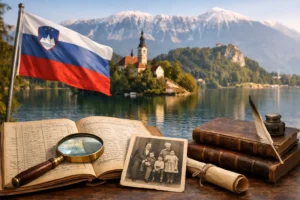

Slovenian Citizenship by Descent Records
Learn how slovenian citizenship by descent records can prove family ties, where to find them, and how to prepare for a heritage-based search.
100+ reviews
For millions of people around the world, Slovenia represents more than a small European country—it is the homeland of their ancestors. Families who emigrated from Slovenia to the United States, Canada, Argentina, Australia, and many other countries left behind villages, traditions, and stories that still shape their descendants today.
Exploring Ancestry Slovenia allows you to reconnect with those roots. Instead of only reading genealogical documents, you can visit the places where your ancestors lived, worked, married, and built their lives.
Walking through ancestral villages, local churches, and historic cemeteries can transform family history from abstract information into a living experience. Slovenia offers a unique opportunity for heritage travel because many historic villages, records, and traditions remain remarkably well preserved.
Whether you already know your ancestral village or are just beginning your research, discovering Slovenian ancestry can be an unforgettable journey into your family’s past.

Slovenia is one of the most rewarding destinations for ancestry research in Europe. The country has strong historical documentation, well-preserved cultural heritage, and communities where family names and traditions often remain recognizable across generations.
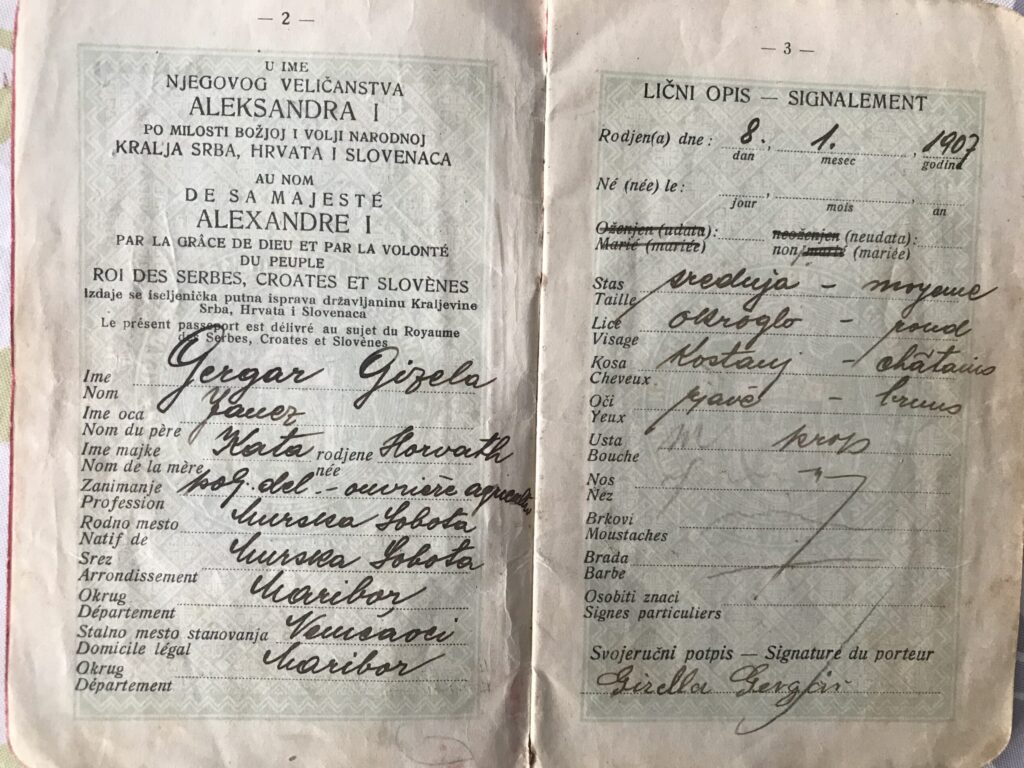
Many Slovenian parishes kept detailed registers documenting baptisms, marriages, and deaths for centuries.
These records often date back to the 17th or even 16th century, providing valuable information about family relationships, occupations, and migration patterns.
Important genealogical sources include Parish registers, Civil registration records, Regional archives, Historical censuses, Immigration and passenger records, Land ownership documents
These sources can help trace family lines through multiple generations.
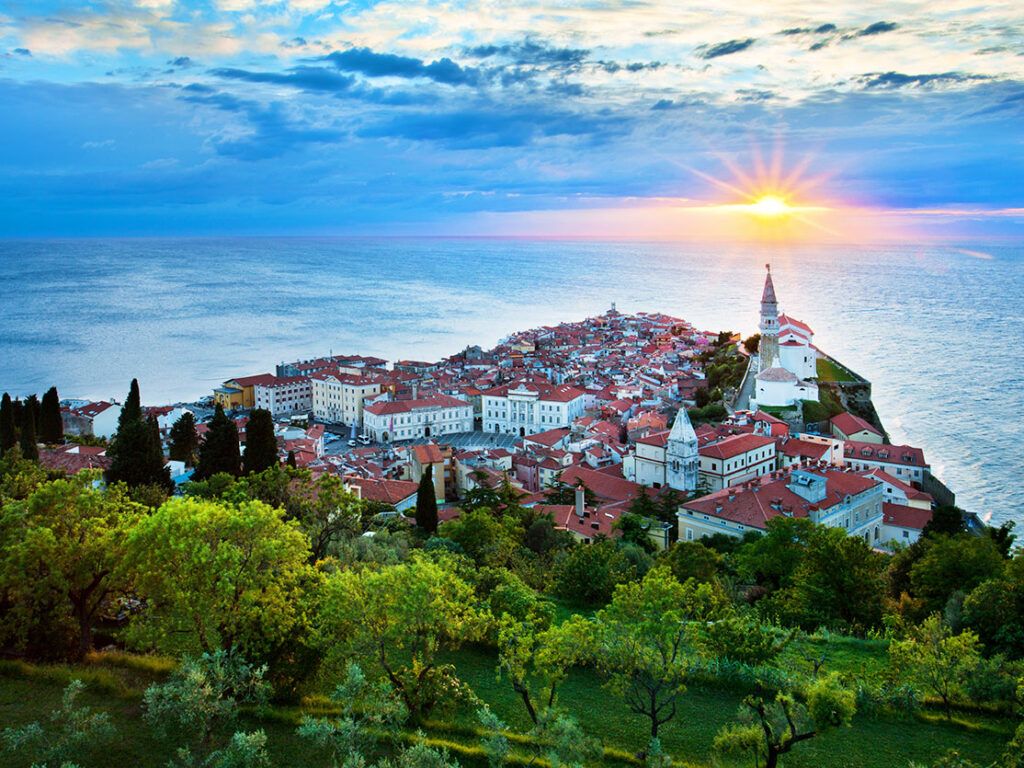
Because of this, identifying the exact village of origin can unlock large amounts of genealogical information.
Unlike large cities where records may be fragmented, Slovenian villages often preserved local memory and documentation. Even today, it is sometimes possible to find houses, farms, or churches directly connected to family history.
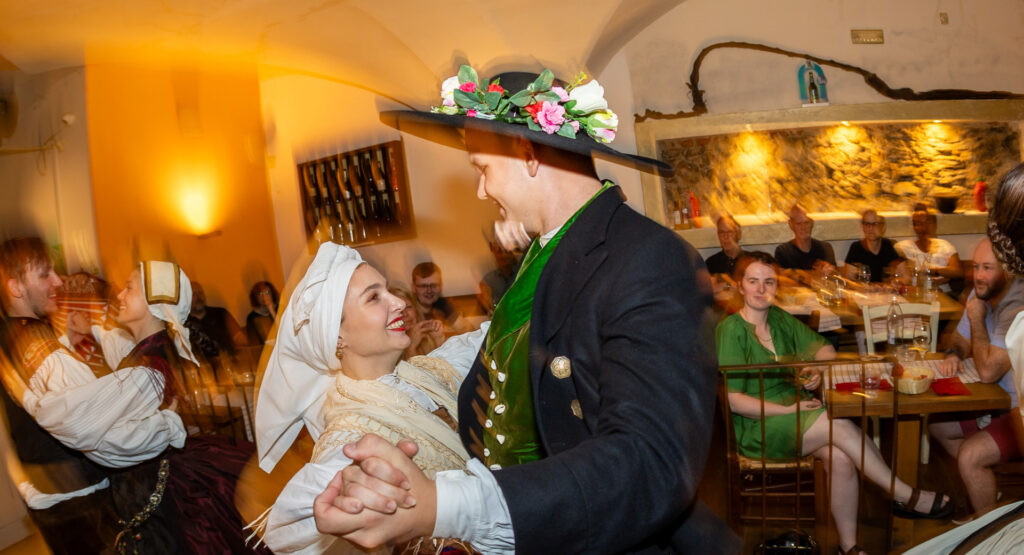
Traditional architecture, cuisine, festivals, and dialects vary between regions and provide important context for understanding the lives of your ancestors.
Exploring Ancestry Slovenia therefore means not only researching documents but also experiencing the cultural world your ancestors knew.
Tracing your Slovenian family history can begin with simple steps that gradually lead to deeper discoveries.
Start by collecting all available family information:
The most important breakthrough in Ancestry Slovenia research is identifying the exact village where your ancestors lived. Because historical records are typically organized by parish or municipality, knowing the village name allows researchers to locate relevant documents.
Once the village is known, researchers can explore parish books, civil registries, and regional archives to reconstruct family trees. Many families discover relatives, siblings, and earlier generations they never knew existed.
Researching genealogy is powerful, but visiting Slovenia in person adds an entirely new dimension to family history.
A heritage journey allows descendants to physically experience their ancestral environment.
Seeing the village where your ancestors lived often becomes the most emotional moment of an Ancestry Slovenia journey.In some cases you may find:Original family housesLocal churches where ancestors were baptizedVillage cemeteries with family gravesTraditional farms or landscapesStanding in these locations creates a tangible connection with the past.
Different regions of Slovenia offer unique cultural identities.For example:Alpine villages in Upper CarniolaWine regions of StyriaKarst landscapes near the AdriaticHistoric towns in central SloveniaExploring these regions provides insight into how geography shaped family life.
Sometimes visitors are able to meet distant relatives or local historians who know the history of a particular village.These encounters can reveal stories that never appeared in official records.

Exploring Ancestry Slovenia offers more than genealogical research—it reconnects people with identity, culture, and belonging.
Many travelers say that discovering their ancestral homeland changes the way they view their own family story.
Benefits of heritage travel include:
For many descendants of Slovenian immigrants, visiting Slovenia feels like returning home.
A professionally organized heritage travel experience typically combines research, travel planning, and family gathering activities.
The process begins with professional genealogy research to identify ancestral origins, family lines, and historical records. This research provides the foundation for planning visits to meaningful locations connected to your family history.
Families visit towns, churches, cemeteries, and historical landmarks connected to their ancestors. Walking through these locations allows family members to better understand the lives and environment of earlier generations.
A heritage travel family reunion may include:
Many families document their journey through photographs, written stories, and updated family trees. This ensures that future generations can benefit from the research and experiences gained during the trip.
Learn how slovenian citizenship by descent records can prove family ties, where to find them, and how to prepare for a heritage-based search.
Comparing a self planned vs guided heritage trip for Slovenia? Learn which path fits your family history goals, budget, and emotional journey.

Learn how to read old Slovenian handwriting in parish, civil, and archive records with practical tips for tracing family roots and places.
Learn how to find Slovenian ancestors using family stories, records, village clues, and archives to trace your roots back to Slovenia.