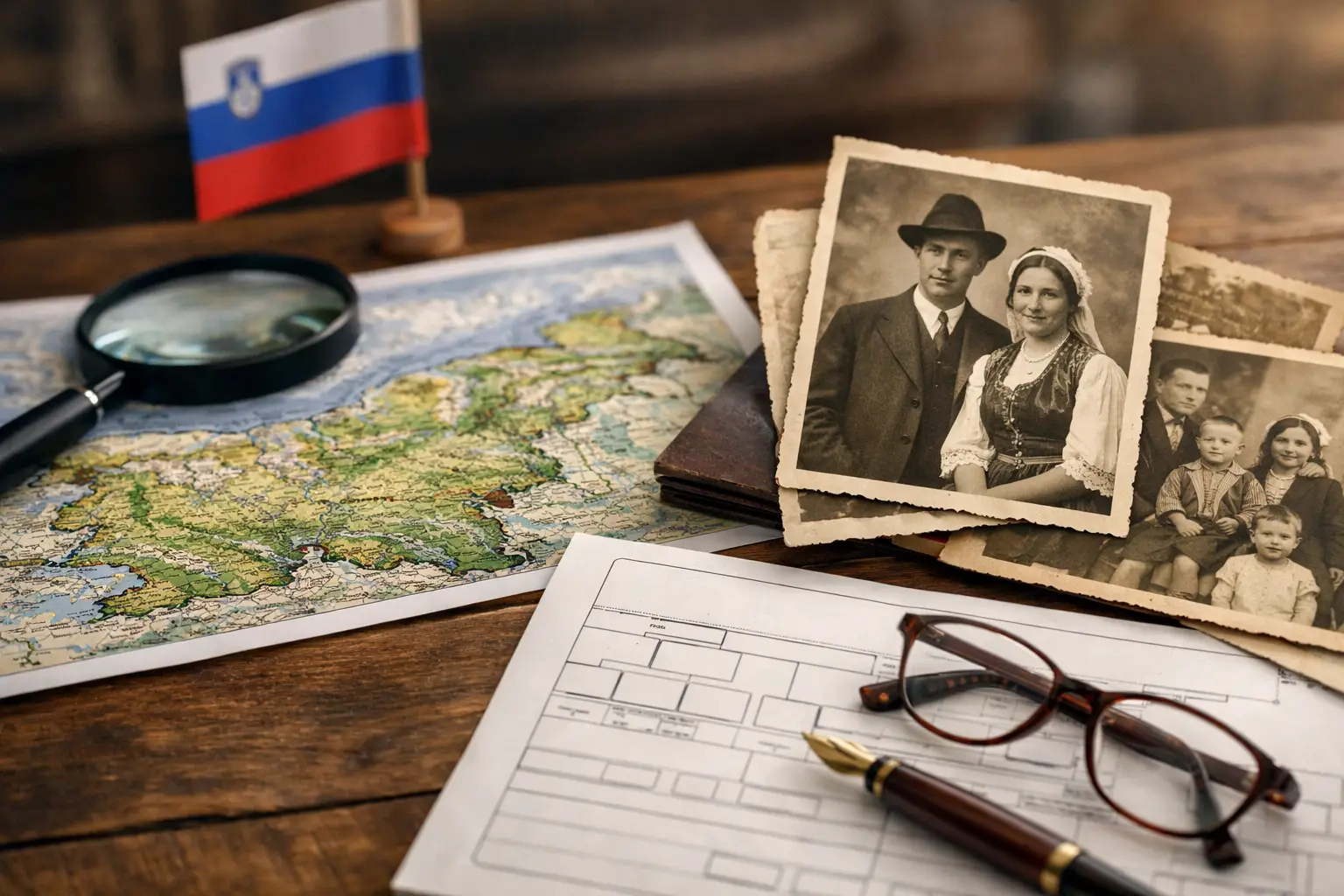
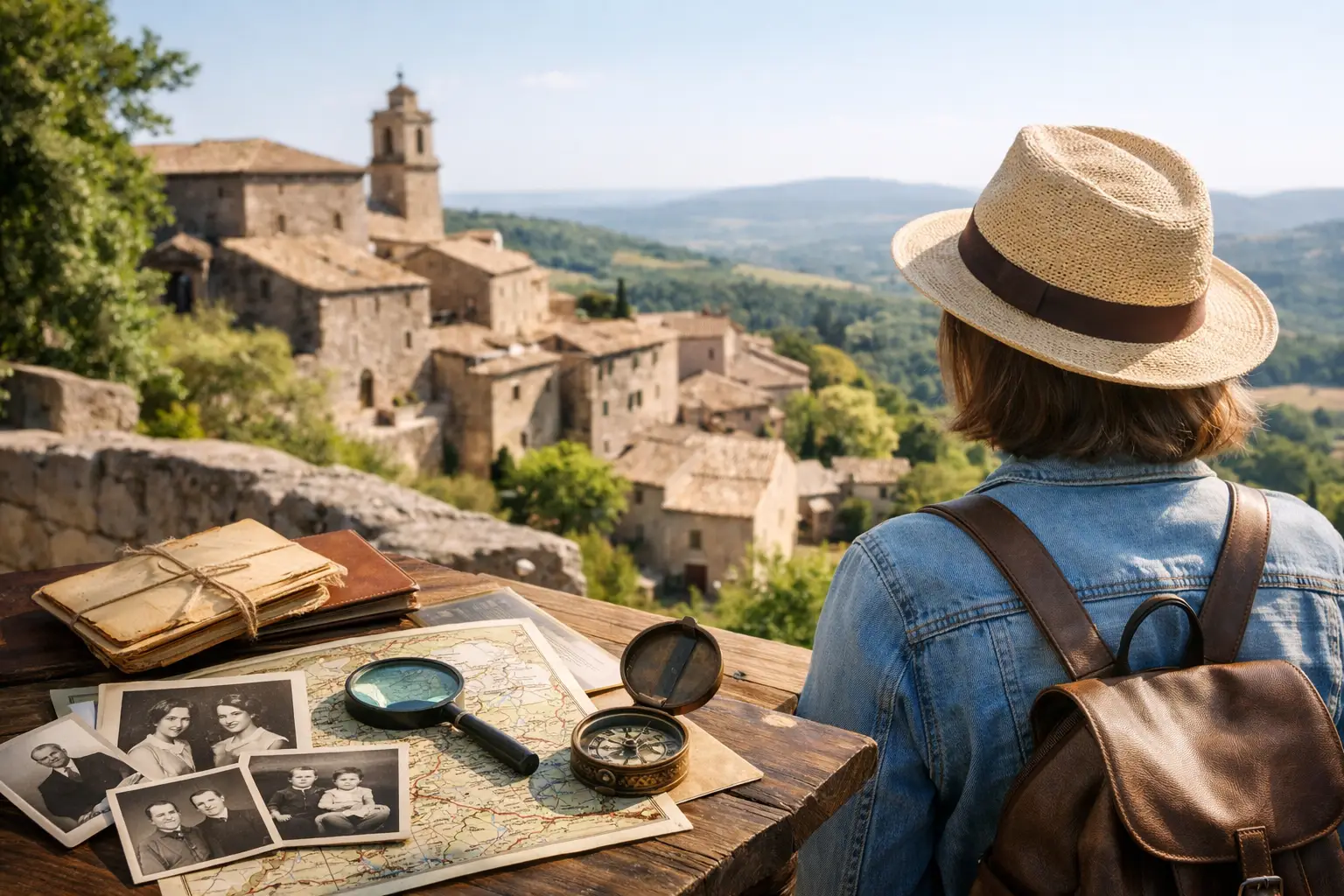


Some family stories arrive as a single surname, a faded photograph, or a town name no one knows how to pronounce anymore. Others come with boxes of documents and years of research, but still feel incomplete. That is where genealogy tour benefits become so meaningful. They take family history out of folders and computer files and place it back on real roads, in real churches, and in the villages where your ancestors once built their lives.
For many people of Slovenian descent, this kind of journey is not ordinary travel. It is a return – even if it is your first time in Slovenia. The value lies not only in seeing beautiful places, but in understanding why those places matter to your family, and what changes when you experience them in person.
Why genealogy tour benefits go beyond sightseeing
A standard trip can show you Slovenia’s landmarks, cuisine, and scenery. A heritage-focused journey does something different. It connects your travel to evidence, memory, and identity.
When your itinerary is shaped by ancestral records, parish entries, migration clues, and village history, each stop carries emotional weight. A church is no longer simply historic. It may be where your great-grandparents were married. A cemetery is no longer just a quiet place. It may hold the names you have seen on family trees for years but never expected to meet in stone.
This is one of the most important genealogy tour benefits. You stop being a visitor looking at a country from the outside and begin to understand your place within it.
1. You give family history a physical location
Many descendants abroad know pieces of their story, but not the geography behind it. They may know a surname, a region, or an immigration year, yet still have no clear sense of where the family actually came from.
A genealogy tour helps bridge that gap. Instead of saying, “My family was from Slovenia,” you may come to know the exact village, the parish, the valley, or the hillside farm that shaped their lives. That level of specificity changes everything. It turns heritage from something broad and abstract into something grounded.
For families with Slovenian roots, this matters because local identity has always been powerful. Villages, churches, and regional traditions often tell more of the story than a modern national label alone. Standing in the place your ancestors once called home can make generations of migration feel more understandable.
2. Records start to feel personal
Genealogy research can be deeply rewarding, but it can also become technical. Dates, baptisms, marriages, census entries, and burial records are essential, yet they can feel distant when viewed only on a screen.
Travel changes that. When you visit the parish where a baptism was recorded or see the village listed on a century-old document, the record stops being a line of text. It becomes part of a lived world.
This is one of the quieter genealogy tour benefits, but it is often one of the strongest. You begin to understand scale, distance, and daily life. You see how close the church was to the family home, how mountainous the route to the next town might have been, or how small the community really was. Those details bring context to the records you already have and may even help explain family decisions, including why relatives emigrated.
3. You can uncover answers that were hard to find from abroad
Researching Slovenian ancestry from another country can be challenging. Place names may have changed. Handwriting in old records can be difficult to read. Family stories may contain partial truths, altered spellings, or memories passed down imperfectly over generations.
A research-guided heritage trip can help untangle those problems. Local knowledge matters. The difference between two similar village names, the history of parish boundaries, or the customs of a particular region can make a major difference in identifying the right family line.
This does not mean every trip solves every mystery. Sometimes the answer is clear, and sometimes the evidence remains incomplete. But one of the practical genealogy tour benefits is that it creates a better chance of asking the right questions in the right places. Even when a final answer remains out of reach, families often return home with stronger evidence, better context, and a clearer path forward.
4. You experience belonging in a new way
Many descendants feel a quiet pull toward the homeland, even if they did not grow up speaking the language or practicing family traditions regularly. That pull can be hard to explain to others. It is not tourism in the usual sense. It is more personal than that.
A genealogy tour can bring a sense of belonging that surprises people. It may come from hearing your surname spoken locally, seeing the landscape your grandparents described, or recognizing that your family’s migration story began in a place that still carries traces of them.
This feeling is not always dramatic. Sometimes it arrives gently, in a village square, during a church visit, or while reading a family name in a cemetery. The emotional side of genealogy tour benefits should not be dismissed as secondary. For many travelers, it is the reason the journey matters so much.
5. You preserve something valuable for the next generation
Family history can disappear quickly if it is not recorded, organized, and shared. One of the strongest reasons people begin ancestry travel is the realization that they may be the last person able to ask certain questions, visit certain places, or connect scattered pieces of the story.
A heritage journey gives you more than memories. It gives you material to pass on – photographs of ancestral villages, notes from archives, parish discoveries, grave markers, local stories, and a fuller understanding of where your family began. These are not just travel keepsakes. They become part of your family’s record.
For children and grandchildren, this can be especially meaningful. They may not remember every name or date, but they often remember stories tied to real places. When family history becomes visible and tangible, it has a better chance of lasting.
6. You learn about your ancestors’ everyday world
One of the overlooked genealogy tour benefits is that it helps you move beyond major life events and into ordinary life. Records usually tell you when someone was born, married, or died. Travel helps you imagine how they lived between those dates.
What kind of terrain did they farm? How far would they have walked to church? What regional foods shaped family customs? What political or economic pressures touched their community? What local traditions may have traveled with them when they emigrated?
These questions matter because they turn ancestors into people, not just names. In Slovenia, regional differences in dialect, architecture, foodways, and village structure can be significant. A meaningful genealogy journey helps place your family within that local culture instead of treating heritage as one flat story.
7. Your trip becomes deeply personal, not generic
A lot of travel is designed for broad appeal. Heritage travel works best in the opposite direction. It is narrower by design, and that is its strength.
When a trip is shaped around your family story, the experience becomes far more memorable. The route matters because your family once traveled it. The village matters because your relatives were baptized, married, or buried there. Even the unexpected parts of the day carry meaning because they happen within the landscape of your ancestry.
This is why guided planning can make such a difference. A well-prepared genealogy trip balances emotional goals with practical realities. Some travelers hope to stand in front of an ancestral home. Others want archival insight, parish context, or time in the village to simply absorb the setting. The best experience usually includes both research and space for reflection.
What genealogy tour benefits depend on preparation
Not every ancestry trip unfolds the same way. The benefits often depend on what is known before travel begins.
If you already have strong documentation, your experience may focus on visiting identified places and deepening the story. If you are beginning with only a surname and a few family memories, the process may require more research first. That is not a disadvantage. It simply changes the shape of the journey.
It also helps to be realistic. Some villages have changed. Some homes are no longer in family hands. Some records are missing or were never preserved. Heritage travel is most rewarding when approached with openness. The goal is not to force a perfect reunion with the past, but to come closer to the truth of it.
For that reason, many families choose expert support. A Slovenia-specific service such as Ancestry Slovenia can help connect records, geography, and local knowledge so the trip reflects your actual family story rather than a general itinerary.
When the journey changes how you see yourself
The lasting value of ancestry travel is not only what you find. It is also what shifts inside you while you are there. A place that once sounded distant becomes part of your own story. A family name gains history, texture, and weight. Emigration stops feeling like an isolated event and begins to look like one chapter in a much longer family journey.
That is why genealogy tour benefits stay with people long after they return home. The trip may last a week or two, but the understanding it creates often continues for years – in conversations with relatives, in family records, and in the quiet confidence of knowing where your story began.
If you have been carrying questions about your Slovenian roots for years, sometimes the most meaningful next step is not more guessing. It is going to the place that has been waiting in your family story all along.