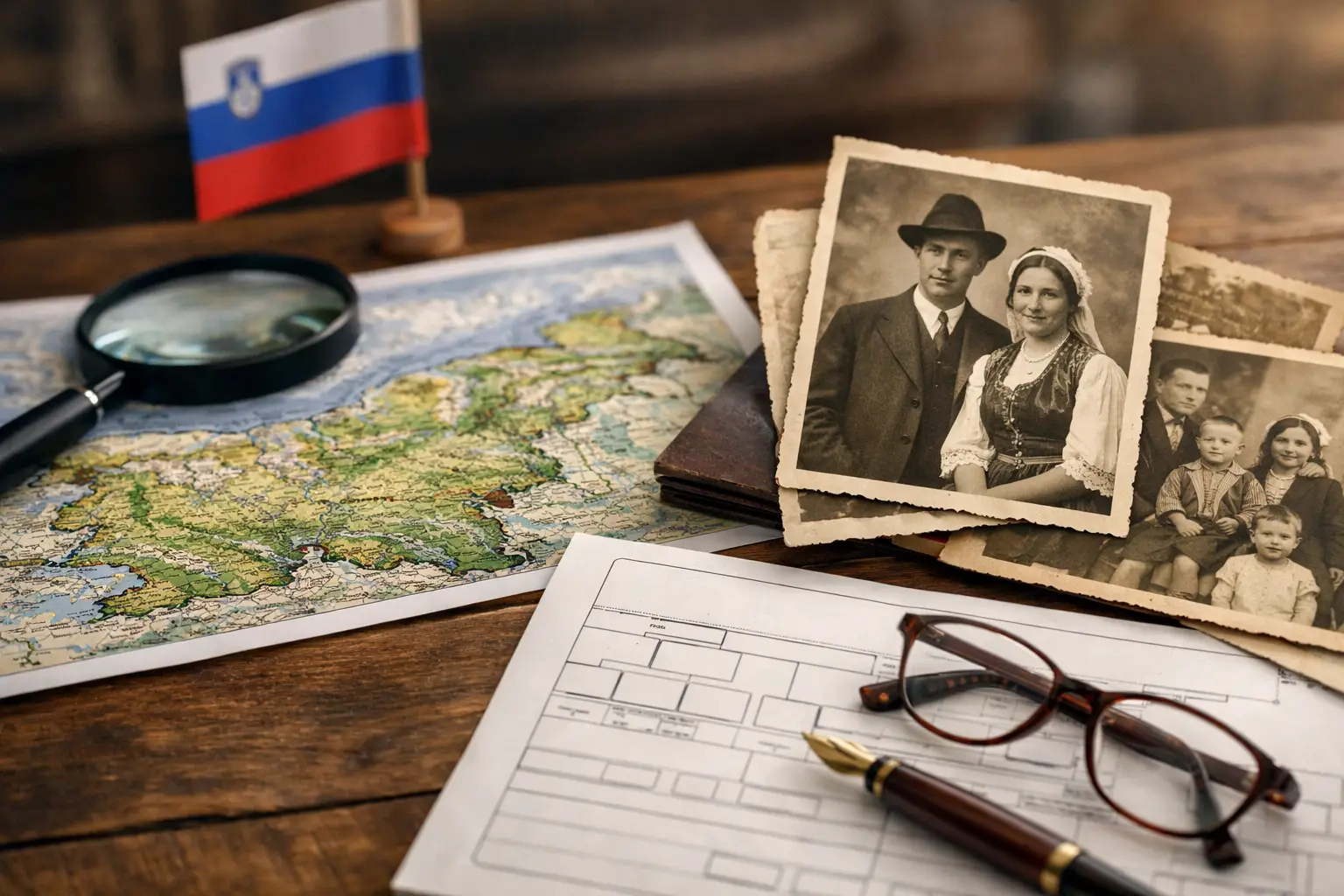


Some people begin with a box of old photographs. Others begin with a surname that never quite sounded American, or with a grandmother who said, “Our people came from a village near the hills,” and left it at that. A return to ancestral homeland often starts this way – not with certainty, but with fragments. For many Slovenian descendants abroad, those fragments carry enough weight to last a lifetime.
What makes this journey different from an ordinary trip is that it is not only about seeing Slovenia. It is about standing in relation to it. The place your family left is no longer just a point on a map or a line on a passenger manifest. It becomes physical again – a church bell tower, a cluster of houses, a cemetery path, a parish book written in careful ink. Family history stops being abstract and starts feeling personal in a new way.
What a return to ancestral homeland really means
For descendants of immigrants, “going back” is never as simple as buying a plane ticket. The homeland your ancestors knew may have changed borders, languages, and names. Villages may be tiny, records may be scattered, and family stories may have shifted with each generation. That is why a meaningful return begins long before arrival.
In the Slovenian context, this often means identifying the exact village of origin rather than only the broader region. Slovenia is small, but genealogically it is detailed. Two families with the same surname might come from entirely different valleys. A record that says “Austria” or “Yugoslavia” may still point, eventually, to a specific Slovenian parish if you know how to follow the clues.
This is also why the emotional side of the journey matters so much. People often imagine that once they reach Slovenia, they will instantly feel at home. Sometimes that happens. Sometimes the feeling is quieter. You may feel recognition, grief, pride, curiosity, or even a strange kind of distance. All of that is normal. Returning to an ancestral homeland is not a performance. It is an encounter.
Why Slovenia makes this journey deeply personal
Slovenian ancestry research tends to be rooted in local places. Parish records, civil registrations, village cemeteries, and municipal histories can connect a family to a very precise landscape. This is one reason heritage travel in Slovenia can feel so powerful. The country allows for intimacy.
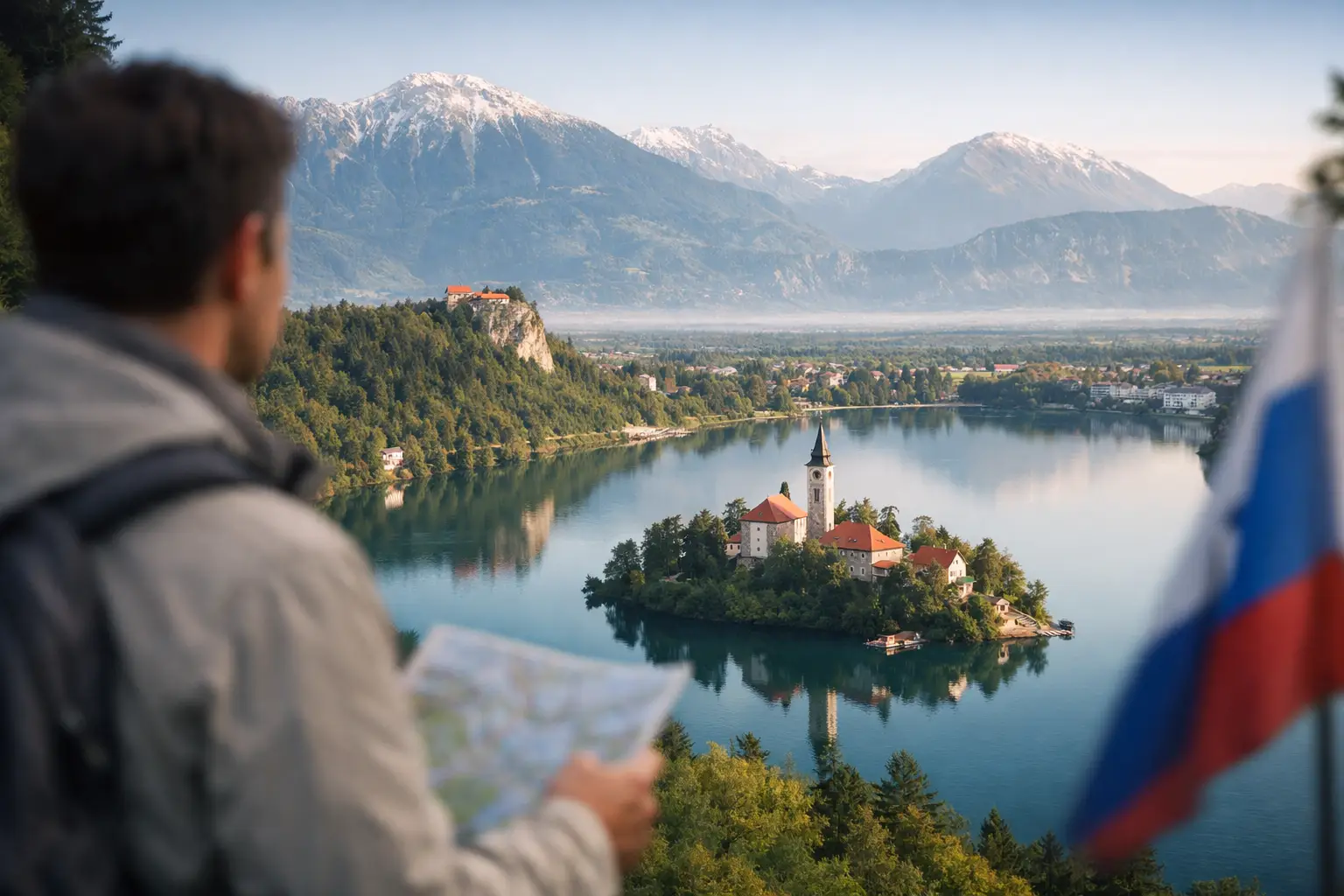
A village visit is not just scenic. It may reveal the church where your great-grandparents married, the hillside your family farmed, or the road they would have taken to the nearest market town. Even when the original house is gone, the setting often remains remarkably legible. You begin to understand not only who your ancestors were, but how they lived.
For many families in the United States, Canada, Argentina, and Australia, Slovenian identity was preserved through food, church life, music, language fragments, and community organizations. Yet those traditions can feel detached from their place of origin over time. Seeing Slovenia itself can restore that connection. It adds context to inherited customs and gives descendants something more durable than nostalgia.
Research gives the journey its meaning
A heritage trip without research can still be moving, but it may remain general. The real transformation happens when names, dates, and places align. That is when travel becomes personal history.
Good genealogy research helps answer essential questions. Which village did the family come from? What parish served that village? Did the surname change spelling after immigration? Were there multiple migrations within the family before anyone crossed the Atlantic? These details shape the entire experience on the ground.
Sometimes the answer is straightforward. A naturalization paper may list the exact birthplace. At other times, it takes patience. Passenger lists can be vague. Family letters may contain misspellings. Records may use German, Latin, or older place names. The process can be slow, but that slowness is often part of what makes the result meaningful.
How to plan a return to ancestral homeland with purpose
The strongest heritage journeys usually follow a clear path from memory to documentation to place. That does not mean everything must be solved before you travel, but it helps to start with what you know.
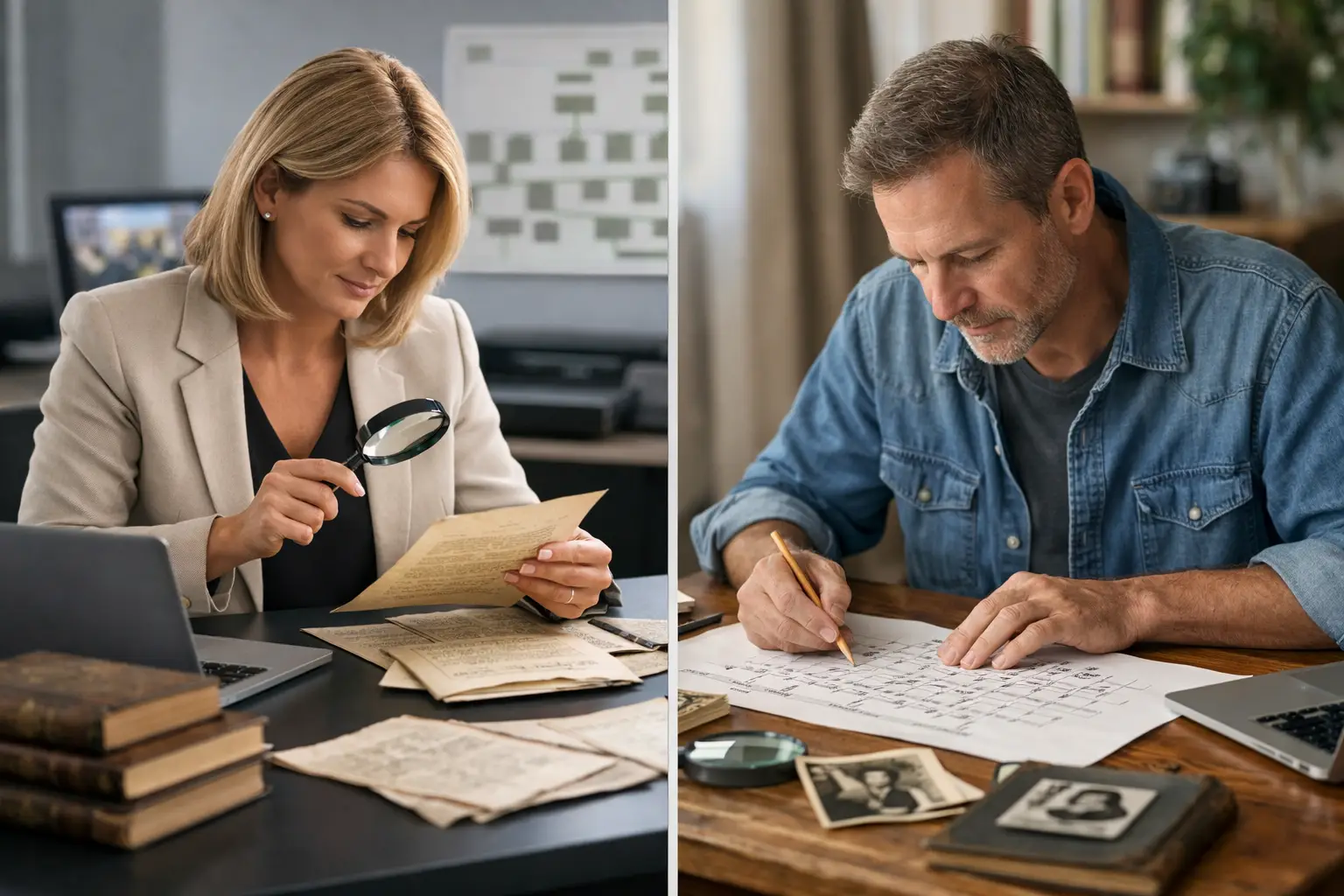
Begin with family sources. Ask relatives for names, nicknames, birth dates, marriage records, obituaries, holy cards, military papers, and old photographs. Pay attention to sponsors, witnesses, and neighbors in these documents. In immigrant communities, families often traveled and settled alongside people from the same village.
Next, compare those clues with historical records. Slovenian genealogy often requires careful attention to jurisdiction. A village might belong to one parish, one municipality, and one historical crown land, all of which may appear differently in records. This is where expertise matters. A place name written phonetically by an immigration official may still be traceable if you know regional naming patterns.
Then, shape the travel experience around the findings. If the ancestral village is confirmed, a visit there should be the heart of the journey, not an afterthought. Time in archives or parish offices may also be worthwhile, depending on the goal. Some travelers want documentation they can preserve for future generations. Others want to walk the land, meet local people, and understand daily life in the region their family left behind. Often, the best trip includes both.
The value of local guidance
This is where many descendants reach a turning point. Research done abroad can take a family story only so far. Once the journey moves into Slovenian records, geography, and local institutions, having guidance on the ground can make the difference between a pleasant visit and a life-shaping one.
A heritage-centered service such as Ancestry Slovenia can bridge that gap by connecting genealogy with travel planning in a way that honors both the emotional and practical sides of the experience. That matters because this kind of journey deserves more than generic tourism. It deserves accuracy, care, and a sense of stewardship.
What people often feel when they finally arrive
There is no single correct response to visiting an ancestral place. Some people are overwhelmed the moment they see the village church. Others feel the impact later, perhaps while reviewing records in the evening or hearing a familiar surname spoken aloud.
There can also be mixed feelings. A family story may turn out to be partly wrong. The village may be smaller than expected. The house may no longer belong to the family. In some cases, descendants feel sadness for all that was interrupted by migration. In others, they feel gratitude for what was carried forward.
None of this lessens the value of the journey. If anything, it makes it more honest. Returning to an ancestral homeland is not about forcing a perfect homecoming. It is about allowing the past to become more real, more specific, and more human.
Turning family history into something you can pass on
One of the most meaningful parts of ancestry travel is what happens after you come home. The trip often changes how a family tells its own story. A village name replaces a vague reference to “the old country.” A photograph of a parish register becomes part of the family archive. Children and grandchildren inherit not just legend, but location.
This matters more than many people realize. Family history can disappear quickly when it lives only in memory. But when descendants gather records, document places, and connect those findings to lived experience, they create something lasting. They give future generations a story with roots.
That is especially important in families where the immigrant generation is gone and only scattered clues remain. A thoughtful return can preserve what would otherwise be lost. It can also restore dignity to ancestors who are remembered only as names in a family tree. They become people again, connected to a real landscape and community.
A homeland visit is not only about the past
Although this journey begins with ancestry, it rarely stays there. People often leave Slovenia with a clearer sense of themselves in the present. The trip can deepen belonging, but it can also bring perspective. You may understand why your family valued faith, hard work, language, land, or education in the way they did. You may also see how migration shaped both loss and opportunity.
That is why a return to ancestral homeland is not simply sentimental travel. It is a way of reconnecting identity with place. For many descendants, it becomes one of the few experiences in adult life that feels both deeply personal and larger than themselves.
If Slovenia is part of your family story, you do not need to begin with perfect records or complete certainty. Sometimes all you need is one true clue, a willingness to follow it, and enough care to let the journey unfold in its proper place.