

The moment many families decide to visit Slovenia is not when they see a famous landmark. It is when they find a baptism record, an old photograph, or a handwritten village name that makes the past feel suddenly close. If you are wondering how to plan heritage trip experiences that feel personal rather than touristy, the process starts long before you book a flight. A meaningful ancestry journey begins with family clues, careful research, and enough space in your itinerary for both facts and feelings.
A heritage trip is different from a standard vacation because the goal is not simply to see Slovenia. It is to understand where your family came from, how they lived, and what those places still mean today. For many Slovenian descendants abroad, that can be deeply moving. It can also be a little overwhelming, especially if family stories are incomplete or records seem hard to read. The good news is that you do not need to have everything figured out before you begin.
How to plan heritage trip research before you travel
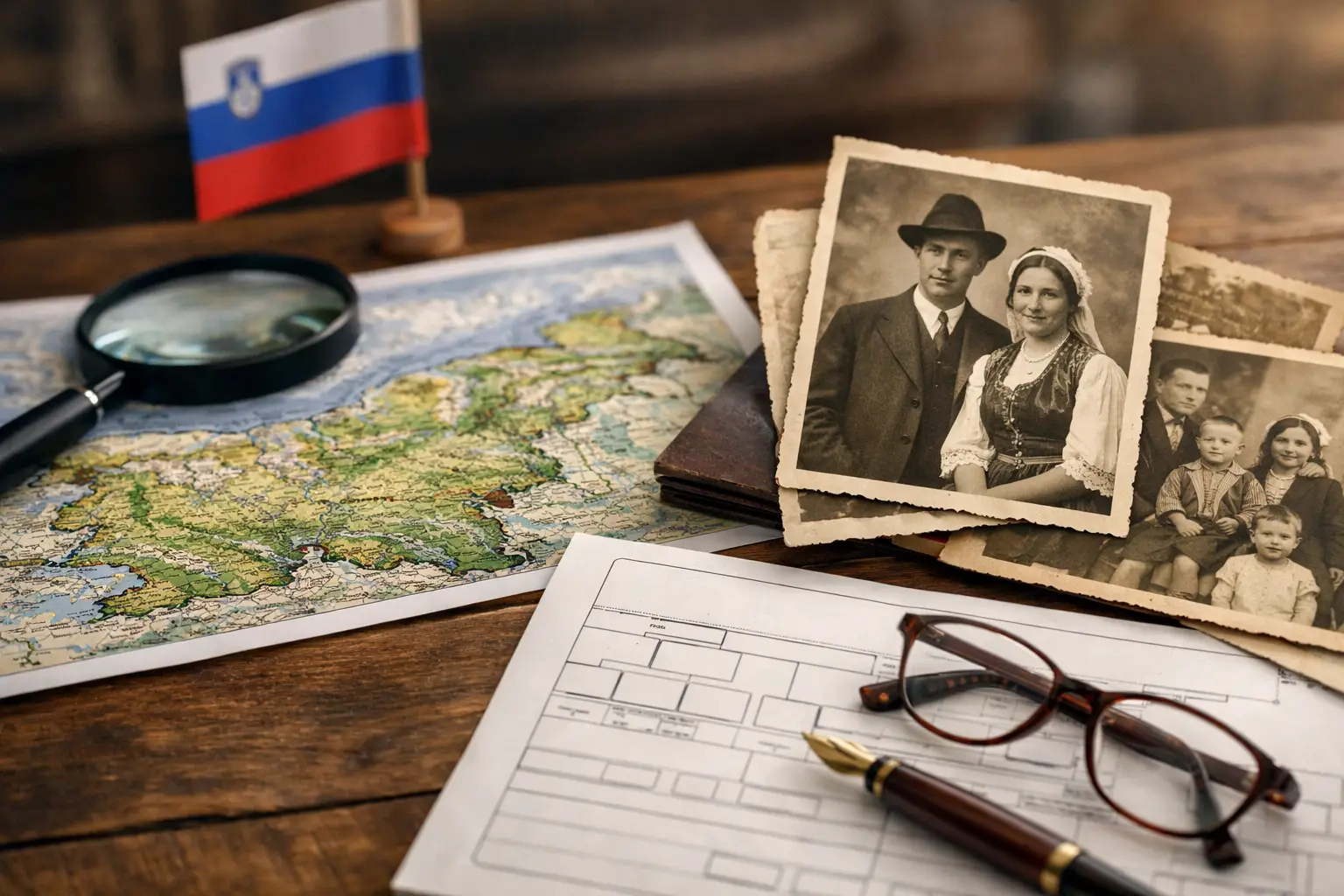
The strongest heritage trips begin with the most basic material. Start by collecting what your family already has. That may include birth and marriage certificates, immigration papers, naturalization files, funeral cards, old letters, prayer books, military papers, cemetery photos, or the backs of family photographs where someone once wrote a place name.
Talk to older relatives before anything else. Ask not only for names and dates, but for details that seem small. What language did grandparents speak at home? Which saints’ days did they celebrate? Did they mention a parish, a nearby town, a mountain, or a train station? In Slovenian family history, small details often matter because spelling changed over time, borders shifted, and the place an ancestor said they were from may not match the formal name in a record.
If you already have documents, review them carefully. A ship manifest may list the last residence. A marriage record in the United States may name a birthplace. An obituary might mention a home parish or village society. Even a surname can provide clues, although surnames alone are never enough to identify an exact origin. This stage requires patience. Family lore can be accurate, partly accurate, or shaped by generations of retelling.
That is why village identification matters so much. Slovenia is rich in local identity, and knowing the correct village or parish changes everything. Once you can connect your family to a specific place, your trip becomes far more than a scenic tour. You can stand where your ancestors lived, visit the church where they were baptized or married, walk the roads they knew, and understand the landscape that shaped their decisions to stay or leave.
What to confirm before you build the itinerary
Before you plan your route, confirm as much as you can about three things: names, locations, and time periods. Slovenian records can include variations in spelling, Latinized names, German forms, or Anglicized versions used after emigration. A woman your family knew as Mary may appear in older records as Marija or Maria. A village may have belonged to a different administrative district when your ancestors lived there than it does today.
This is one reason heritage travel benefits from local expertise. Researching across languages, old handwriting, parish jurisdictions, and historical regions can be difficult from abroad. If your goal is not just to visit Slovenia but to reconnect with your exact family places, it helps to work from evidence rather than assumption.
You should also decide what kind of experience you want. Some travelers want a research-centered trip, with archives, parish visits, and meetings tied closely to documentary discovery. Others want a balanced journey that combines ancestral places with time to absorb Slovenian culture, food, and landscape. Neither approach is more meaningful than the other. It depends on your energy, your mobility, the amount of research already completed, and whether you are traveling alone or with relatives.
Build a heritage trip around place, not just attractions
Once your ancestral village or region is identified, let that shape the itinerary. This is the heart of how to plan a heritage trip that feels grounded in family memory.
If your people came from a small village in Lower Carniola, White Carniola, the Vipava Valley, the Soča region, or the hills of Styria, that local setting should guide your time on the ground. Instead of trying to fit every major destination in Slovenia into one trip, spend meaningful time in the places connected to your family story. A slower schedule often creates the strongest moments.
That might mean visiting the parish church, the cemetery, the village center, nearby farmsteads, and municipal archives. It may also mean simply sitting in the landscape and noticing scale, distance, weather, and terrain. Many descendants come with names on a chart and leave with something far more personal: an understanding of what home may have felt like to those who left.
At the same time, allow room for present-day Slovenia. Heritage travel is not only about the past. It is also about seeing what endured. Regional cuisine, local customs, dialects, and seasonal celebrations can all deepen your connection. If your ancestors came from a wine-growing region, a local meal may tell you as much about daily life as a record book. If they came from an alpine area, the geography itself may explain migration patterns and economic hardship.
Plan for emotion as much as logistics
People often prepare carefully for flights, hotels, and car routes, but not for the emotional weight of the trip itself. Heritage travel can be joyful, affirming, and peaceful. It can also bring grief, especially if the journey raises questions about loss, separation, or stories your family never fully told.
Some travelers feel an immediate sense of belonging. Others feel surprised by distance, especially if the village is changed or if no close relatives remain. Both responses are normal. A meaningful trip does not depend on finding a dramatic revelation. Sometimes the deepest experience is quiet: hearing church bells in the same valley your great-grandparents knew, or seeing your surname on a grave marker.
If you are traveling with siblings, cousins, or aging parents, talk beforehand about expectations. One person may want to spend hours in a cemetery. Another may want photographs and conversation with local residents. Someone else may simply want time to reflect. Heritage trips go better when there is space for different kinds of connection.
Practical timing for a Slovenian ancestry journey
The best season depends on your priorities. Spring and early fall are often ideal for heritage travel because the weather is pleasant, villages are active, and driving is easier than in winter. Summer offers long days and lively cultural events, but it can also be busier in popular areas. Winter can be beautiful, though access to smaller places may be less predictable and some research visits may require more advance planning.
Give yourself more time than you think you need. A rushed heritage trip can feel frustrating, especially if you are trying to fit archival work, village visits, and regular sightseeing into a few days. If possible, spend at least several days focused on your ancestral region. This allows for unexpected discoveries, conversations, and the simple but important act of returning to a place more than once.
Advance planning matters. Parish offices, archives, municipal staff, and local contacts may have limited availability, and not every site can be visited on short notice. Some family locations may also be private property, which means respectful arrangements are essential. This is another reason a guided approach can be helpful. Businesses such as Ancestry Slovenia exist to bridge the gap between research and real-world travel, so families can arrive with context instead of guesswork.
What to bring with you
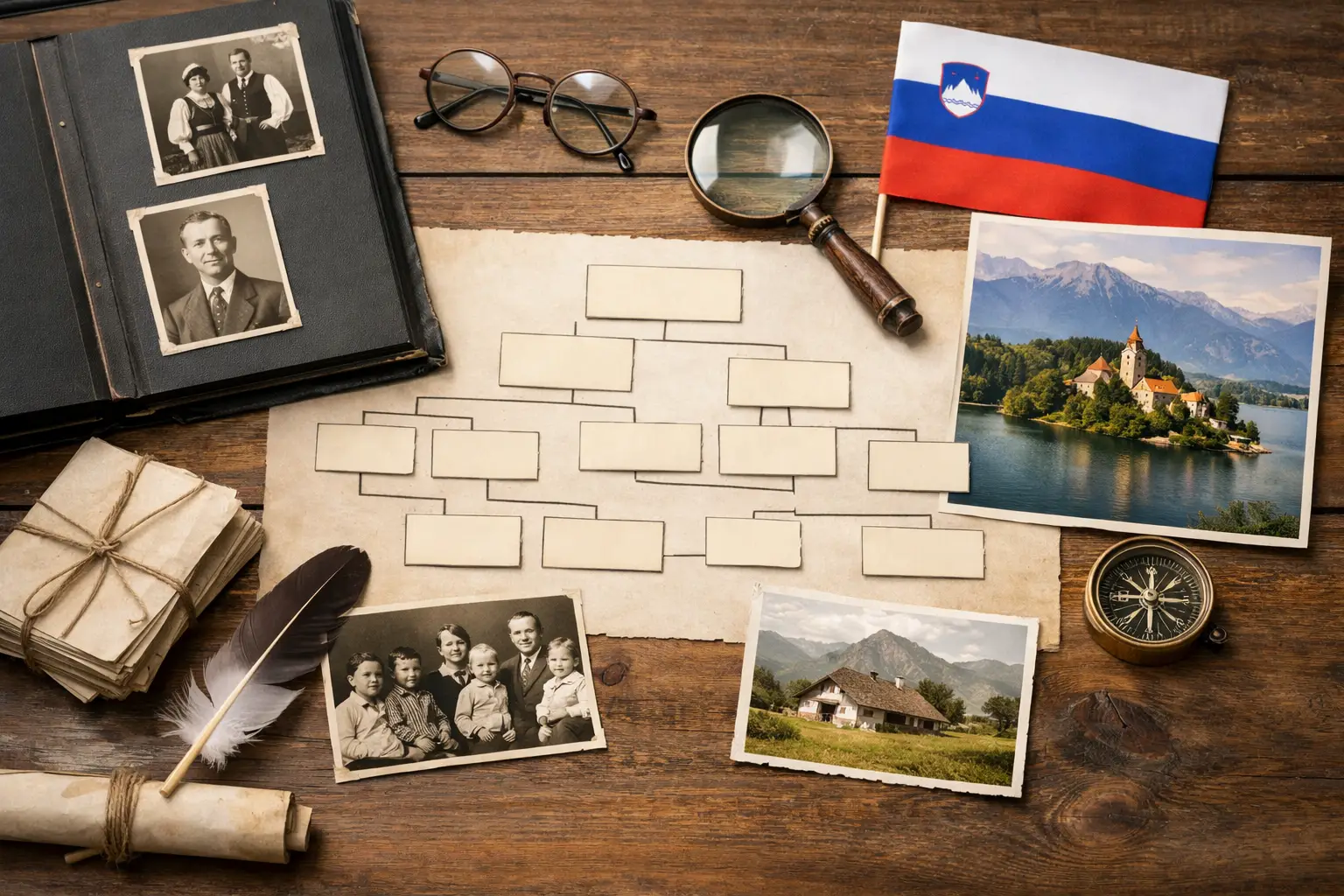
Bring copies of your family tree, key documents, old photographs, and a simple research timeline. Keep both printed and digital versions. If you hope to speak with local clergy, archivists, or residents, having names and dates ready makes conversations much easier.
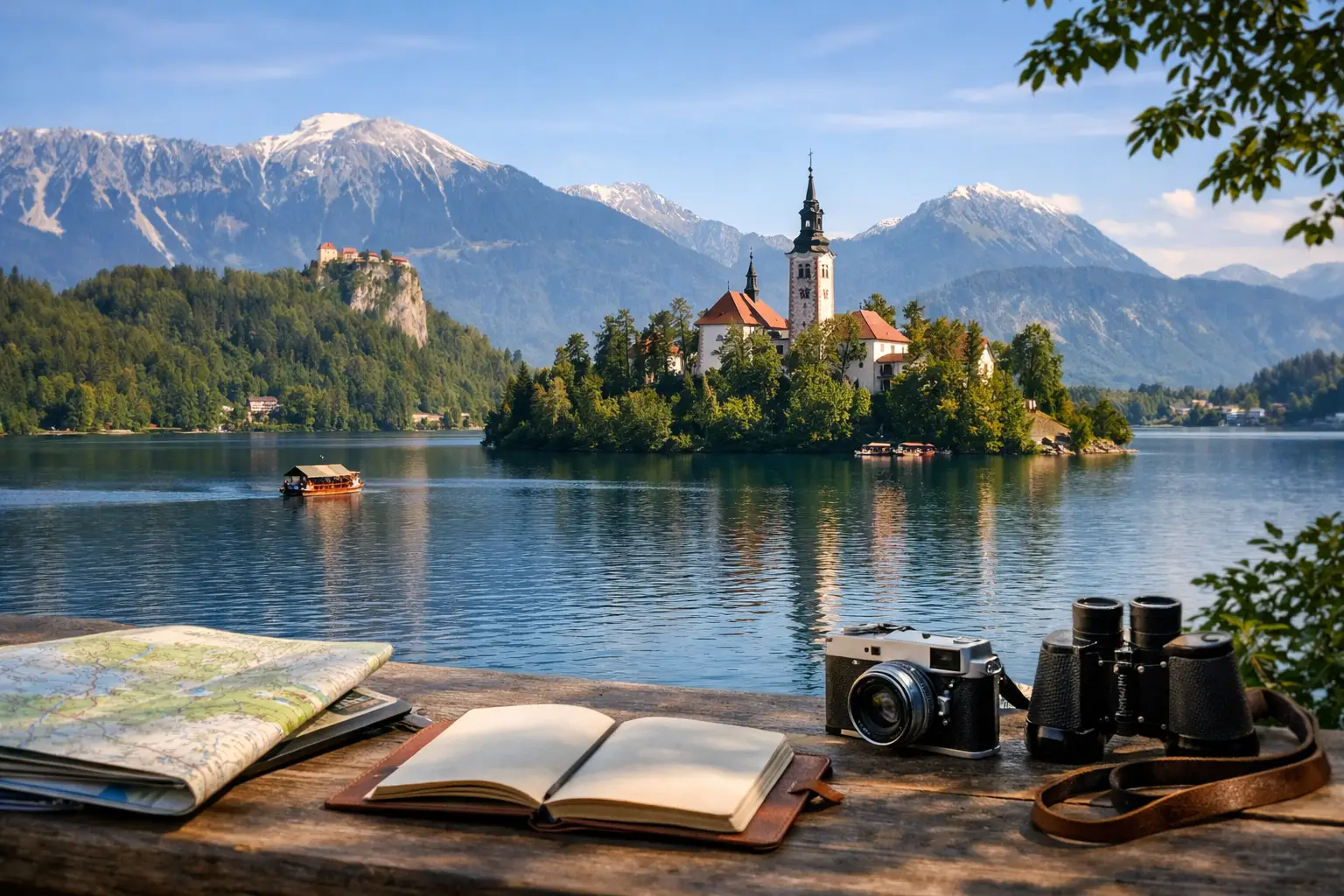
It also helps to bring a notebook, extra phone storage for photos, and a willingness to record details immediately. Street names, inscriptions, and small comments from local people can become important later. Many travelers discover that the trip answers one question while opening several more.
Most of all, bring flexibility. Records may lead to a nearby parish rather than the one you expected. A village story may turn out to be connected to a different hamlet. A planned stop may matter less than an unplanned moment. Heritage travel works best when research provides structure but curiosity is still allowed to lead.
A well-planned trip to Slovenia does more than show you where your family came from. It gives shape to memory. It lets names become places, and places become part of your life again. If you start with the clues your family holds, build around the right village, and leave room for both discovery and feeling, you may find that the journey is not only about the past. It is also about what you choose to carry forward.