
If you are trying to identify an ancestral village, confirm a family story, or follow a surname back across generations, the best records for Slovenian family history are rarely found in just one place. Slovenian research is often a careful weaving together of parish registers, civil records, emigration papers, land files, and local clues. For many families abroad, that process becomes more than genealogy. It becomes a way of returning to a place that still holds your family name, your church, and sometimes even your relatives’ gravestones.
Why Slovenian research depends on the right records
Slovenian family history can be deeply rewarding, but it also asks for patience. Borders changed. Place names shifted between Slovene, German, Italian, and Hungarian forms. A family that always said they came from Austria may in fact have come from what is now Slovenia, because the region was once part of the Habsburg Empire.
That is why the strongest research usually starts with a simple question: which records are most likely to name the exact village? A passenger list may tell you where someone last lived. A marriage entry may name both fathers. A baptismal register may reveal a house number that ties one family to one farm for generations. The value of a record is not just what it says on the page. It is how it leads you to the next place, the next archive, and the next piece of your family’s story.
Best records for Slovenian family history research
Parish registers are often the foundation
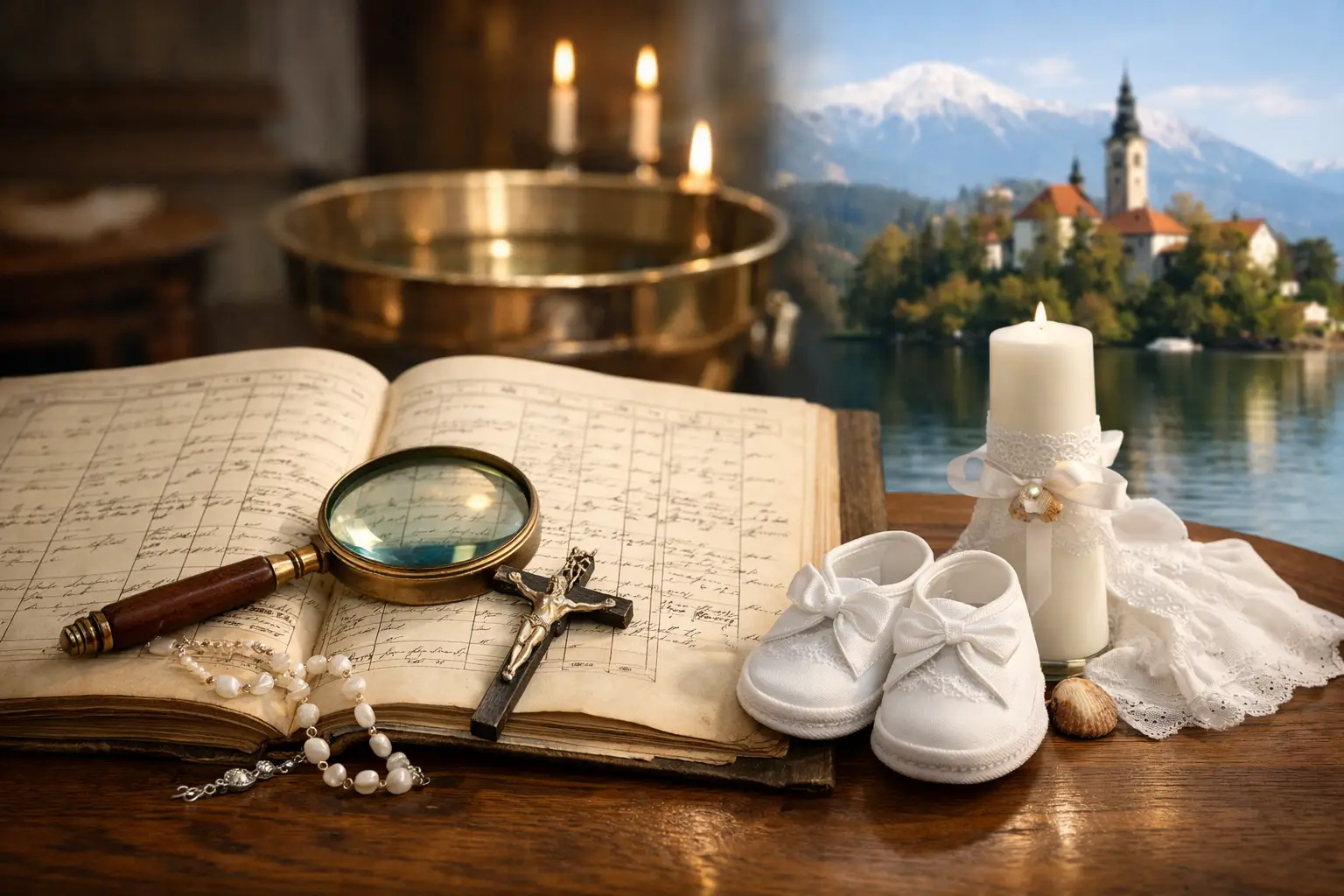
For most people tracing Slovenian roots before the late 1800s, parish records are the single most important source. Catholic registers are especially central, though Lutheran and other church records matter in some regions. Baptism, marriage, and burial books can reach back centuries and often provide the first reliable bridge between a family abroad and a village in Slovenia.
A baptism entry may include the child’s name, parents, mother’s maiden name, godparents, and the family’s village or house number. Marriage records can be even richer. They often identify the bride and groom’s age, residence, fathers’ names, and whether the parents were still living. Burial records can help separate two men with the same name, which happens often in small parishes.
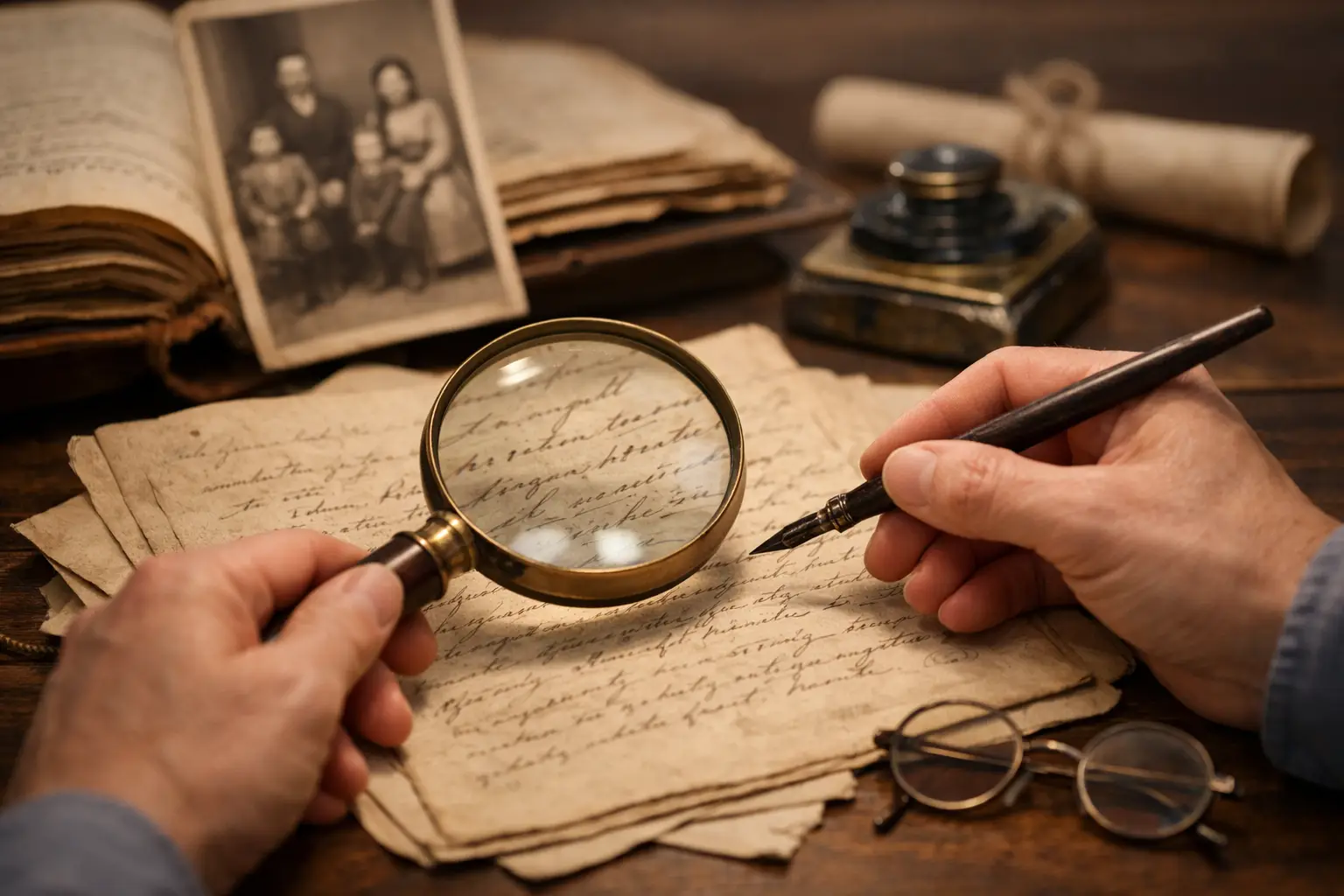
The trade-off is that church books are not always easy to read. Handwriting varies, and the language may be Latin, German, or old Slovene forms. Even so, these are often the records that make everything else possible.
Civil registration records can confirm and extend the story
Civil records became more important later, depending on the region and period. Birth, marriage, and death certificates may offer cleaner handwriting and more standardized details than church books. If your family left in the late 19th or early 20th century, civil registration can be especially useful for confirming dates and sorting out individuals with similar names.
These records matter because they can connect generations with less guesswork. They may also include occupations, addresses, and marginal notes that point to later marriages or deaths. In some cases, civil files are easier for beginners to understand than parish entries, though access can depend on privacy rules and archive location.
Passenger lists and emigration records help identify origins
Many descendants begin with what happened after the family left Europe, and that is often the right instinct. Passenger arrival lists, port departure records, passport applications, and emigration permissions can contain the clue that changes everything: the last residence or place of birth.
For Slovenian immigrants to the United States, this is especially valuable. A record might not say Slovenia at all. It may say Carniola, Styria, Austria, Yugoslavia, Trieste, or a village written in a phonetic form. That can feel frustrating at first, but it is also normal. The goal is to gather every version of the place name and compare it with known historical regions.
Naturalization files are worth close attention too. Earlier papers may be vague, while later forms often ask for a precise birth date and town of origin. When a family has carried only a broad story such as “he came from near Ljubljana,” emigration and naturalization records can narrow that story into a specific parish.
Census, military, and land records add texture and proof
Census records show households in context
Census records are not always the first source people think of for Slovenian ancestry, but they can be very helpful when available. They place a family in a household, in a village, and sometimes in a specific house. That matters because Slovene naming patterns can repeat across generations, and context is what keeps research accurate.
A census may reveal grandparents in the home, a second marriage, or children who died young and do not appear later. It can also show religion, language, and occupation, which helps explain how a family lived before emigration.
Military records can be surprisingly personal
If your ancestor was a man of military age under the Austro-Hungarian Empire, military files may exist and can be exceptionally useful. These records may include birth information, residence, next of kin, physical description, and movement between districts.
Not every family will need military research, and not every file survives. Still, when parish or civil records leave gaps, military documentation can restore direction. It also reminds many descendants that their ancestors were shaped by empire, war, and migration long before they boarded a ship.
Land and cadastral records connect families to place
For heritage-centered research, land records hold special meaning. They can tie a surname to a house, a farm, or a parcel of land over time. If your family remained in one area for generations, cadastral maps, land books, and property files can help you move from names on a page to an actual location in the landscape.
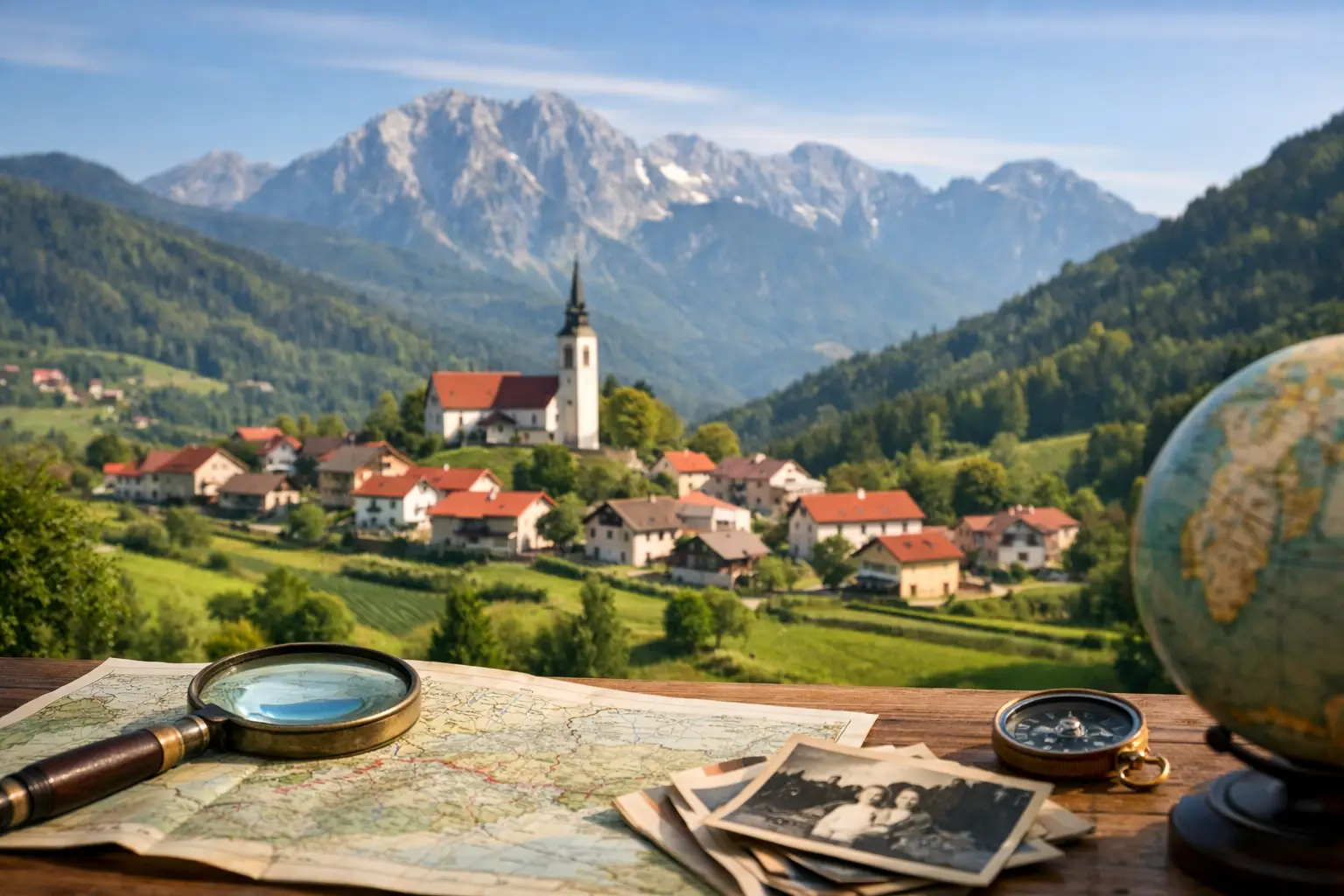
This is where genealogy begins to feel tangible. You are not only learning that an ancestor lived in a village. You may be able to identify the road, the farmstead, or the field boundary connected with your family. For travelers hoping to stand where their ancestors once stood, these records can be unforgettable.
Cemetery records, newspapers, and local sources
Some of the most moving discoveries come from smaller, local sources. Cemetery records and gravestones can confirm dates, reveal family groupings, and preserve maiden names. Local newspapers may contain obituaries, notices of emigration, business ads, or reports of community life. School records, notarial documents, and municipal files can also fill gaps, especially in the late 19th and early 20th centuries.
These sources are not always the fastest way to begin. They become most useful once you know the right town or parish. But after the main family line has been identified, local materials often bring personality back into the story. They can show not only when someone lived, but how they belonged.
How to decide which record to search first
The best starting point depends on what you already know. If you have only a surname and a story that the family came from “Austria,” start with US records tied to immigration and naturalization. If you already know a village, go straight to parish and civil records. If your family has a farmhouse name, a military photo, or an old burial card, those details may point toward land records, military files, or parish burials.
This is where many people lose time. They search for a surname across all of Slovenia when the real task is to identify one place first. In Slovenian genealogy, place matters as much as name. Two families with the same surname may have no connection at all if they come from different regions.
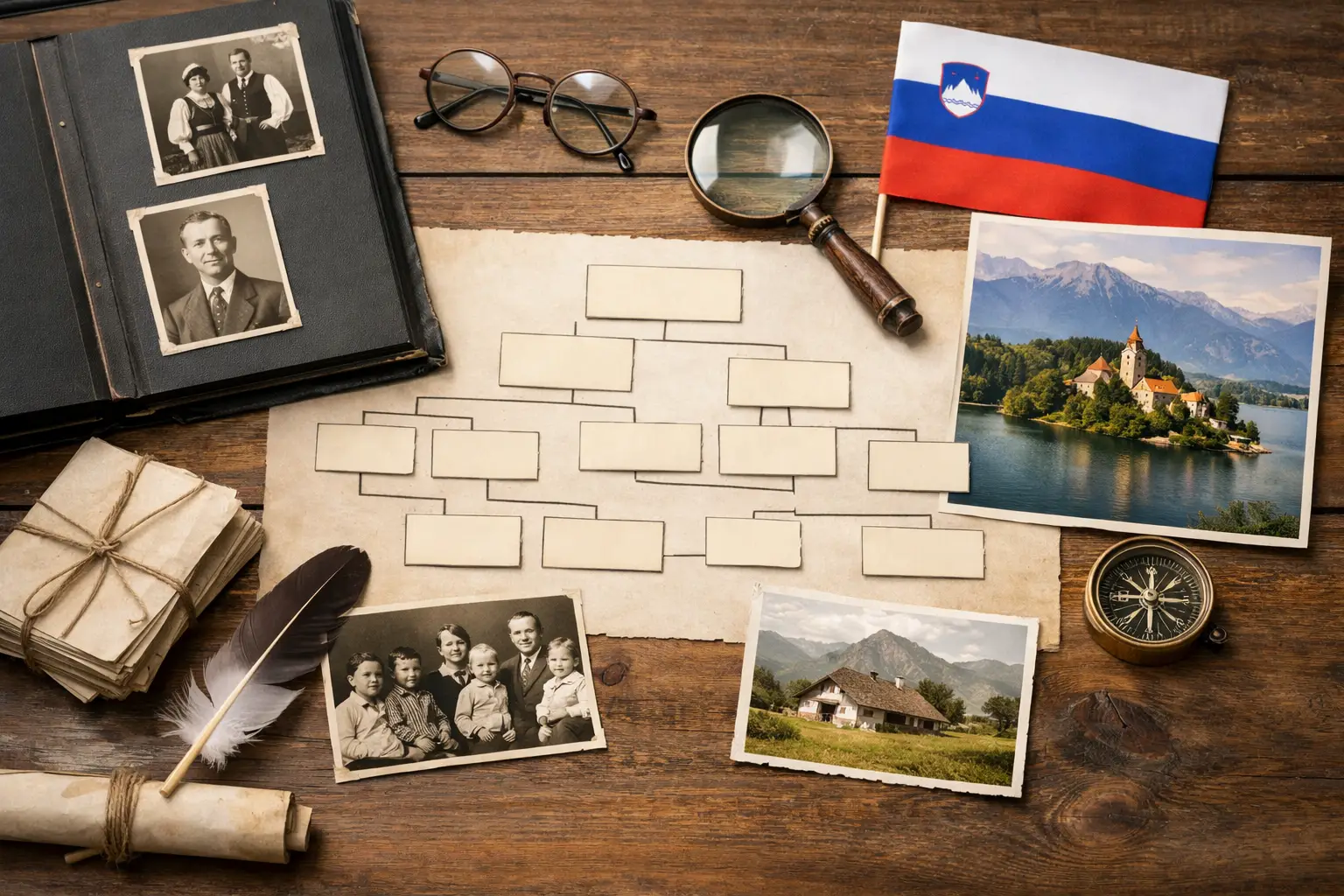
A careful, place-based approach is what turns scattered clues into a family line you can trust. It is also what makes an eventual heritage journey so meaningful. Once the records point to the right parish, village, or house number, the map of your family begins to sharpen.
When records become a homecoming
The best records for Slovenian family history do more than prove dates. They show where a mother carried a child to baptism, where a couple married, where a family worked the land, and where generations were buried under the same church bell. That is why this research can feel so emotional for descendants abroad. You are not only building a chart. You are recovering a place of belonging.
For some families, the path is straightforward. For others, it takes patience, language skills, and local knowledge to connect old spellings, changing borders, and archive systems. That is often where guided help makes the difference, especially when the goal is not just to collect documents but to return to the village with confidence and understanding. At Ancestry Slovenia, that bridge between records and real places is at the heart of the journey.
The first record you find may not answer everything. But if it gives you one true village, one parish, or one family house number, it has already done something remarkable – it has brought your family story closer to home.