

A plane ticket used to be the starting point. For many families tracing Slovenian roots, it is becoming the final step.
That shift says a great deal about the future of roots travel planning. People are no longer satisfied with adding a historic church or a village square to a general itinerary and hoping it feels meaningful once they arrive. They want to know whose names appear in parish books, which hillside farm belonged to their family, where an ancestor was baptized, and why one branch left while another stayed. Travel is still part of the dream, but it now follows research, context, and personal history.
For descendants of Slovenian families living in the United States, Canada, Argentina, or Australia, this change matters. A roots journey is not just a vacation with an old-country theme. It is often a once-in-a-lifetime return, shaped by memory, loss, identity, and questions that may have been carried across generations.
What the future of roots travel planning really looks like
The next chapter of ancestry travel will be more precise, more personal, and more emotionally grounded than the heritage tourism many people have known in the past.
In earlier years, a traveler might begin with a surname, a family story, and a broad destination such as Ljubljana or “somewhere in Carniola.” That was enough to inspire interest, but not enough to build a deeply personal journey. Today, expectations are different. Travelers want village-of-origin research, migration context, family record analysis, and help connecting paper evidence with real places.
This is especially true for Slovenian descendants, because family origins are often tied to small villages, parishes, and local naming patterns that are not obvious to someone researching from abroad. One wrong assumption can send a traveler to the wrong region entirely. The future is not about traveling faster. It is about traveling with greater confidence and clarity.
Research will shape the trip before the itinerary does
The strongest change ahead is simple: genealogy will no longer sit beside the trip as an optional extra. It will shape the trip itself.
That means research-guided planning will become the standard for meaningful roots travel. Instead of asking, “What should we see in Slovenia?” more travelers will ask, “What can be proven about our family, and where does that evidence lead us?” That is a better question, because it changes the entire experience. A church is interesting to any visitor. The church where your great-grandparents married is something else entirely.
There is also a practical reason for this shift. Family stories are valuable, but they are often incomplete. A remembered village name may be misspelled. A surname may have changed after immigration. An “Austrian” ancestor may in fact have come from present-day Slovenia. Better planning begins by sorting truth, tradition, and possibility before anyone boards a flight.
For some travelers, that process reveals exactly what they hoped for: a village, a parish, a house site, even living local connections. For others, it produces partial answers. That can still be deeply worthwhile. The future of roots travel planning is not about promising certainty where records are thin. It is about building honest, evidence-based journeys that respect both hope and reality.
Technology will help, but it will not replace local knowledge
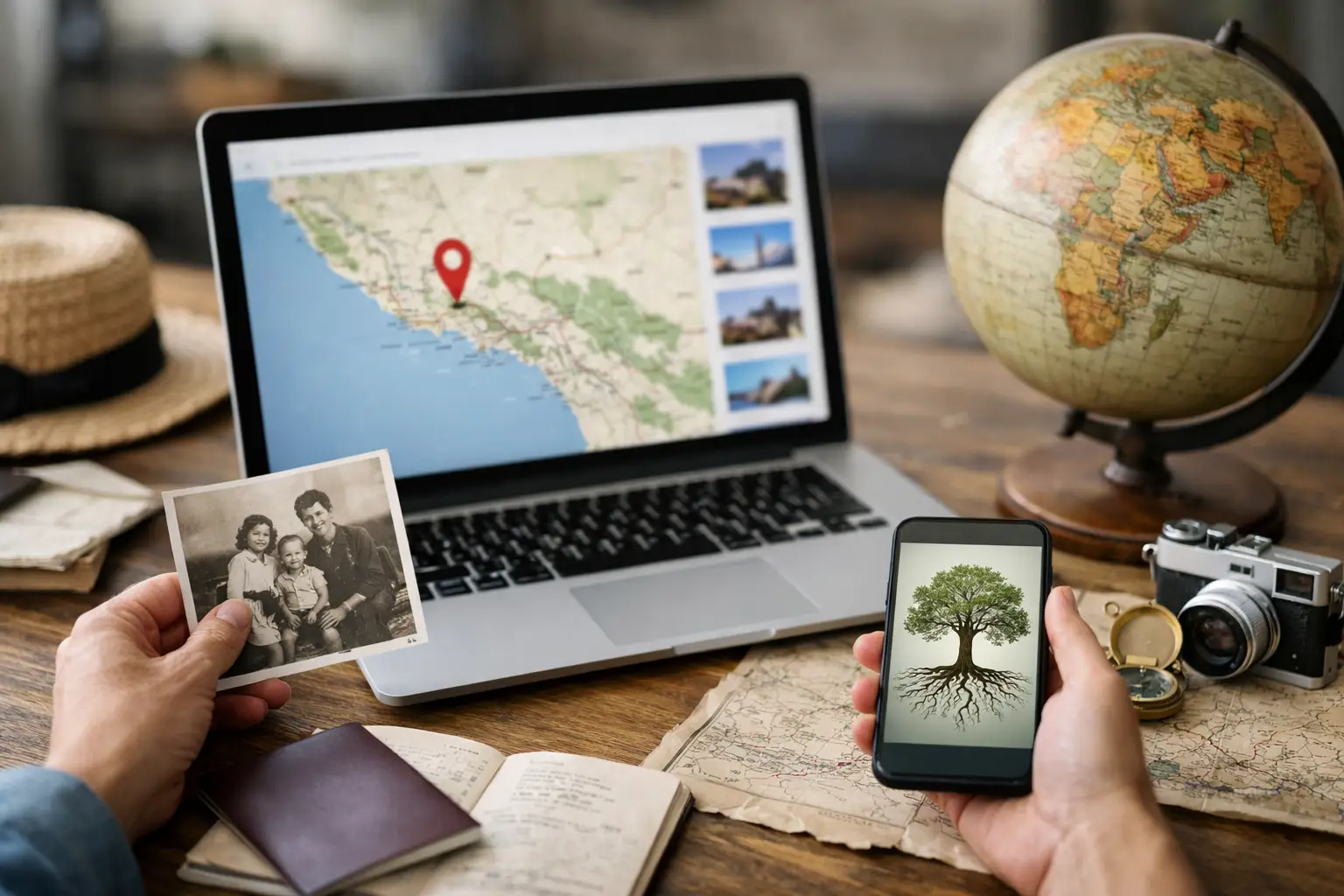
Digital archives, DNA tools, scanned parish books, translation software, and online family trees have made family history more accessible than ever. They will continue to shape how people prepare for ancestral travel.
But technology has limits, especially in a country where local history matters. Records may be written in old scripts, Latin, German, or historic forms of names. Village boundaries may have shifted. A place listed in a US naturalization file may not match a modern map. Software can assist, but it rarely understands the full human and regional context.
This is where the future becomes more human, not less. The more information people find online, the more they need help interpreting it correctly. A scanned record is not the same as understanding it. A DNA match is not the same as knowing how that line connects to a specific community in Slovenia.
That is why expert guidance will matter more over time. The best roots journeys will combine digital access with on-the-ground knowledge – the ability to connect names in documents to actual churches, cemeteries, valleys, and family stories.
Heritage travel will become more place-specific
One of the biggest changes ahead is the move away from broad national identity toward specific local belonging.
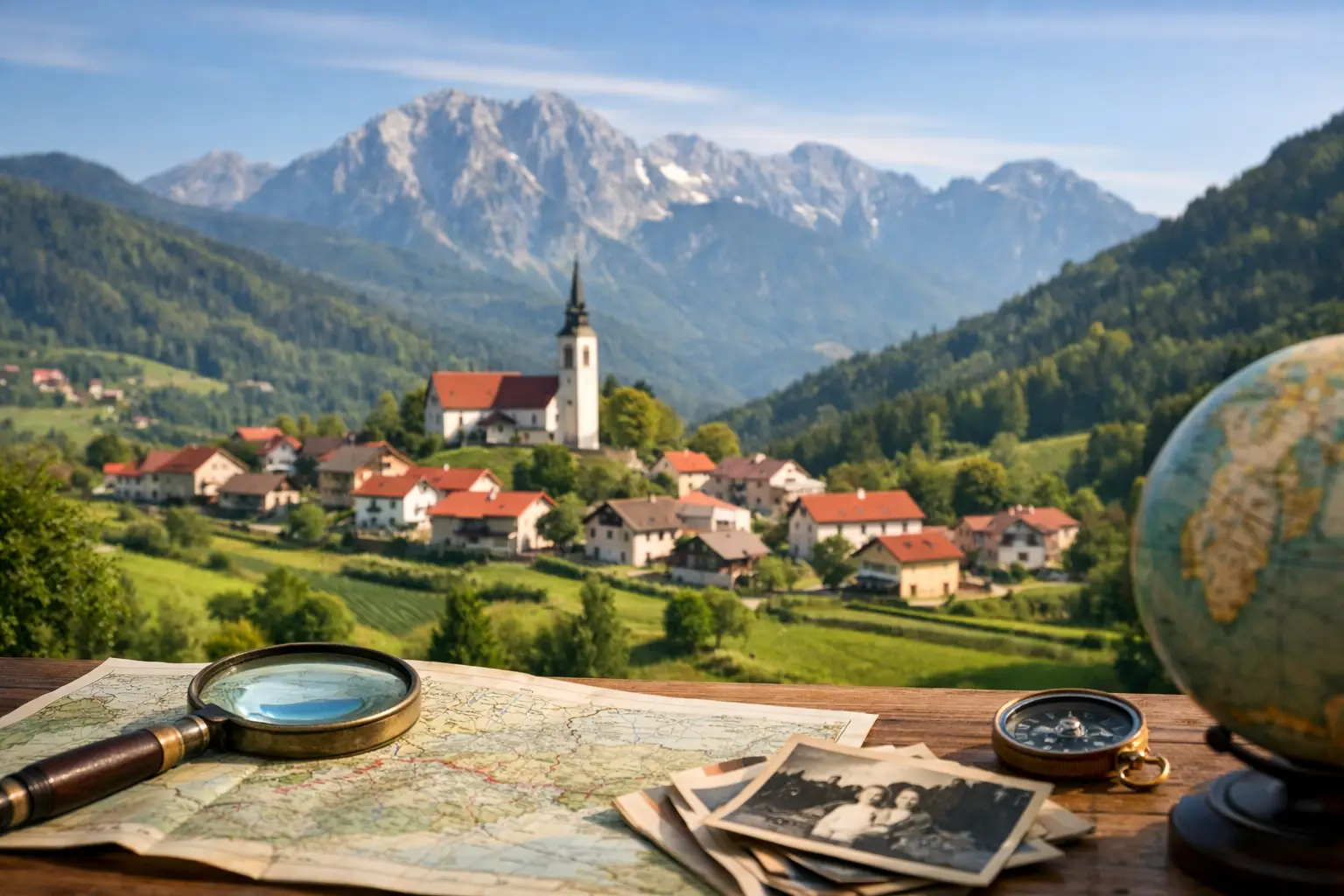
Many descendants begin with a proud sense of being Slovenian, and that identity is meaningful. But once research deepens, the story often becomes more intimate. The family did not come from Slovenia in the abstract. They came from a particular village in the Vipava Valley, a parish in Lower Carniola, a farm near Škofja Loka, or a mining town with a very specific migration pattern.
This matters because heritage is felt most strongly in place. The future traveler will want more than a country overview. They will want to stand where their family stood, hear the dialect of the region, understand the local customs that shaped their relatives’ lives, and see how geography influenced work, marriage, faith, and departure.
That kind of planning takes care. Not every ancestral place is visually dramatic. Some are quiet. Some are changed. Some family homes no longer stand. Yet even then, the emotional power can be profound when the journey is grounded in the right location and story.
The future of roots travel planning will be more emotional, not less
As genealogy tools improve, some assume ancestry travel will become more efficient and data-driven. In one sense, that is true. Better records can shorten the path to answers.
But the experience itself is becoming more emotional. When travelers arrive with stronger evidence, they also arrive with greater personal investment. They know more, so they feel more. A cemetery visit is no longer symbolic. It may be the first direct encounter with a known ancestor’s resting place. A parish archive is no longer an old building. It is where a family line becomes real.
This emotional depth is one reason generic tourism models do not serve roots travelers well. Heritage travel often includes grief, especially for those whose parents or grandparents never made it back. It can bring pride, relief, surprise, and even disappointment if certain answers remain out of reach. Good planning makes room for all of that.
For families traveling together, the experience can also bridge generations. Adult children may gain a new understanding of the sacrifices behind emigration. Grandchildren may hear stories that were never told clearly at home. The future of this kind of travel is not just individual discovery. It is legacy work.
More travelers will want a guided path from clues to homecoming
As interest grows, so will the need for a clear process. That process usually begins long before arrival in Slovenia.
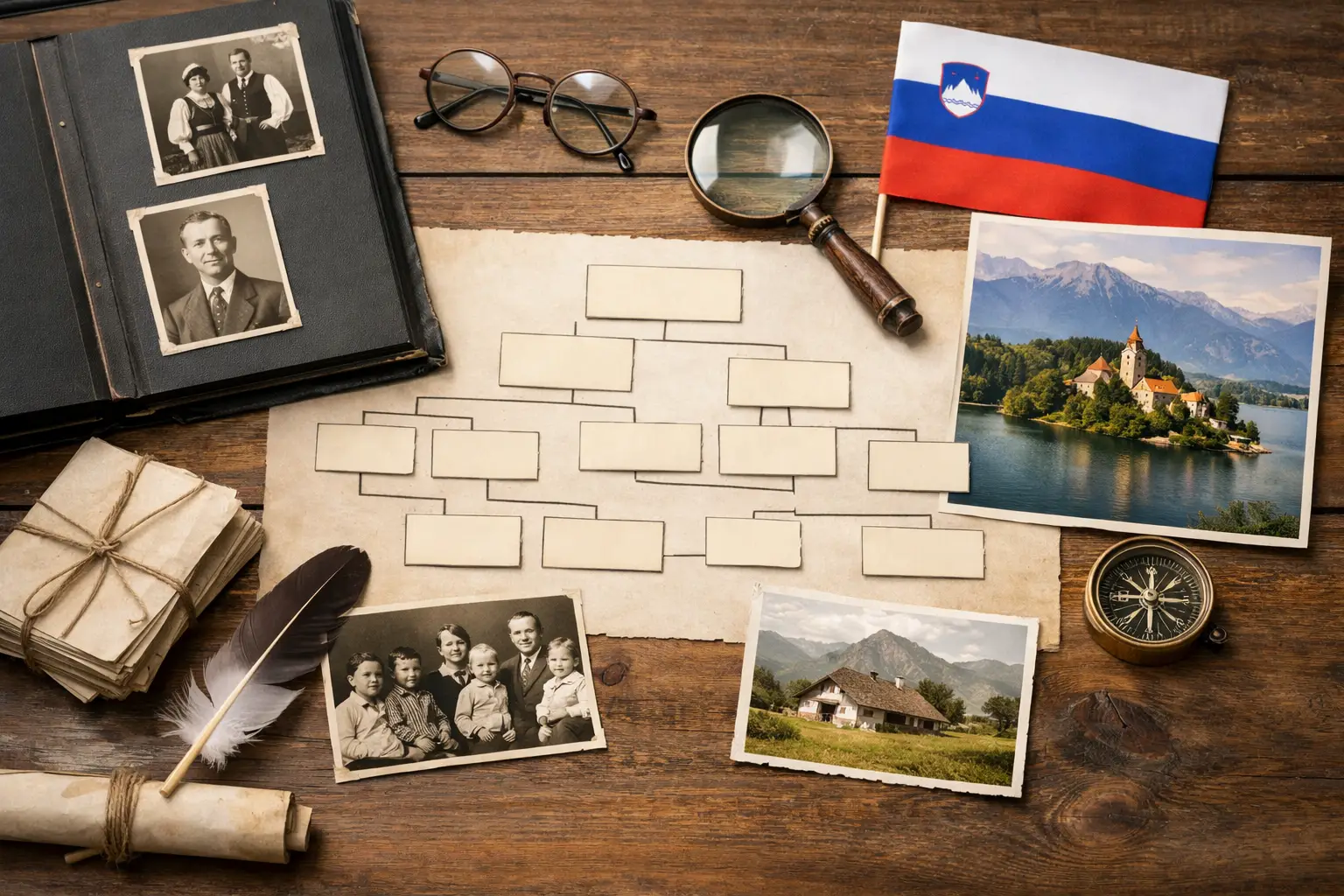
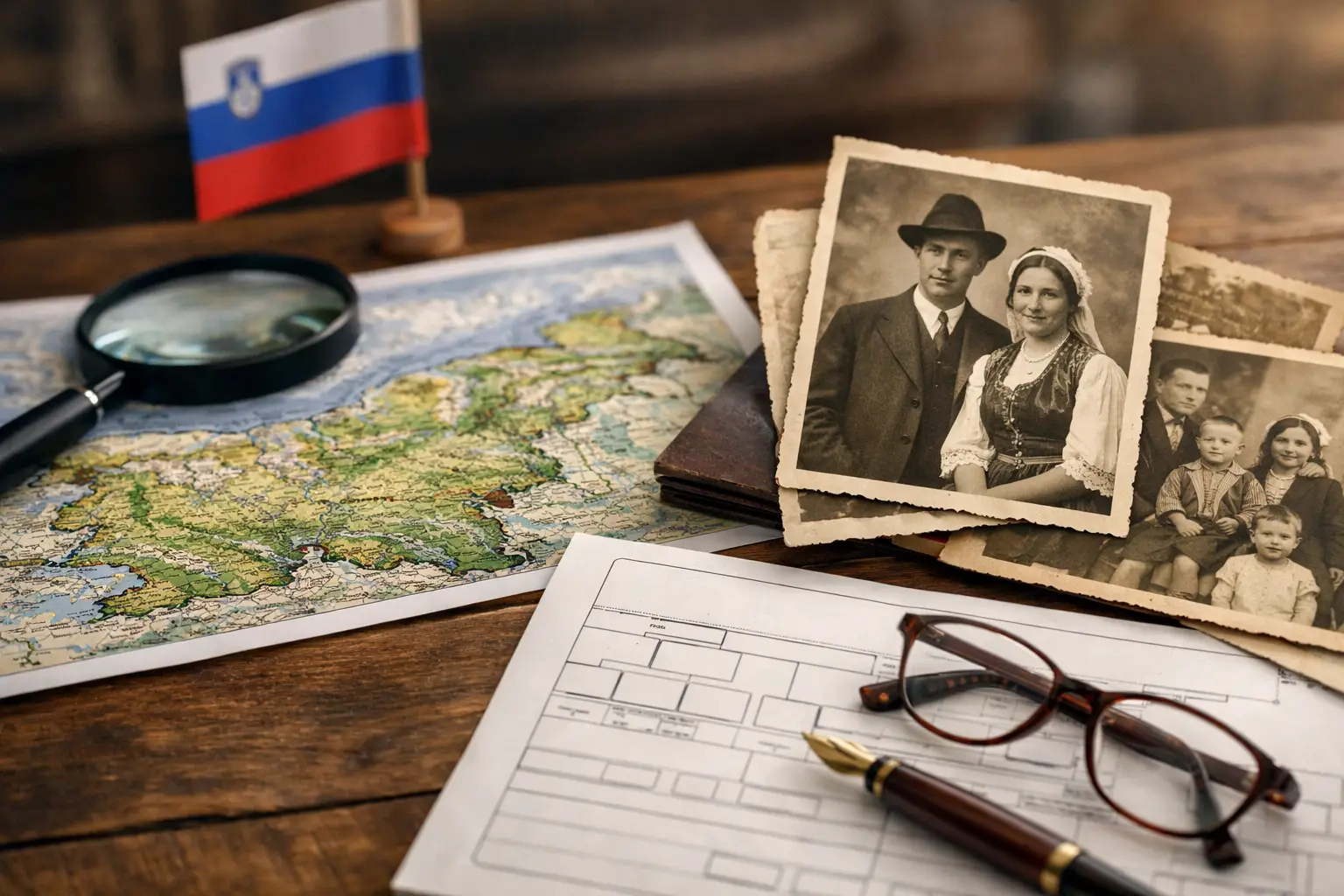
First comes family evidence: names, dates, old letters, church certificates, naturalization papers, photographs, oral history. Then comes analysis: Which details are reliable? Which village names need verification? Which archives or parish records might confirm the line? Only after that should the travel plan take shape.
This is where a specialized service becomes especially valuable. A well-designed roots journey does not treat research and travel as separate products. It brings them together. Ancestry Slovenia, for example, sits in that exact space between documentation and lived experience, helping descendants move from uncertain clues to places they can actually visit with understanding.
The future will favor this kind of integrated planning because it saves travelers from two common frustrations: spending money on a trip that stays too general, or doing years of research without ever knowing how to turn it into a meaningful visit.
Expectations will become more realistic – and that is a good thing
There is a romantic side to returning to ancestral land, and that should not be dismissed. But better planning also creates healthier expectations.
Not every family will find a standing homestead. Not every surname will lead to living relatives. Not every archive will produce immediate answers. Sometimes the breakthrough is modest but still moving: a confirmed village, a burial record, a field where the family once lived, a clearer understanding of why they left.
In many cases, that is enough. Meaning does not depend on drama. It depends on truth, place, and the feeling of finally seeing family history in its proper setting.
The future of roots travel planning will belong to those who value that kind of authenticity. People will still want beauty, comfort, and memorable experiences, of course. But they will increasingly choose journeys that are grounded rather than staged, specific rather than generic, and personally verified rather than loosely themed.
For anyone carrying Slovenian family stories across oceans and generations, that is good news. The path back is becoming more informed, more thoughtful, and more deeply connected to the lives that came before. If you are considering your own journey, start with the clues you already have and give them the care they deserve. The right trip begins when family history stops being distant and starts feeling like a place you can return to.