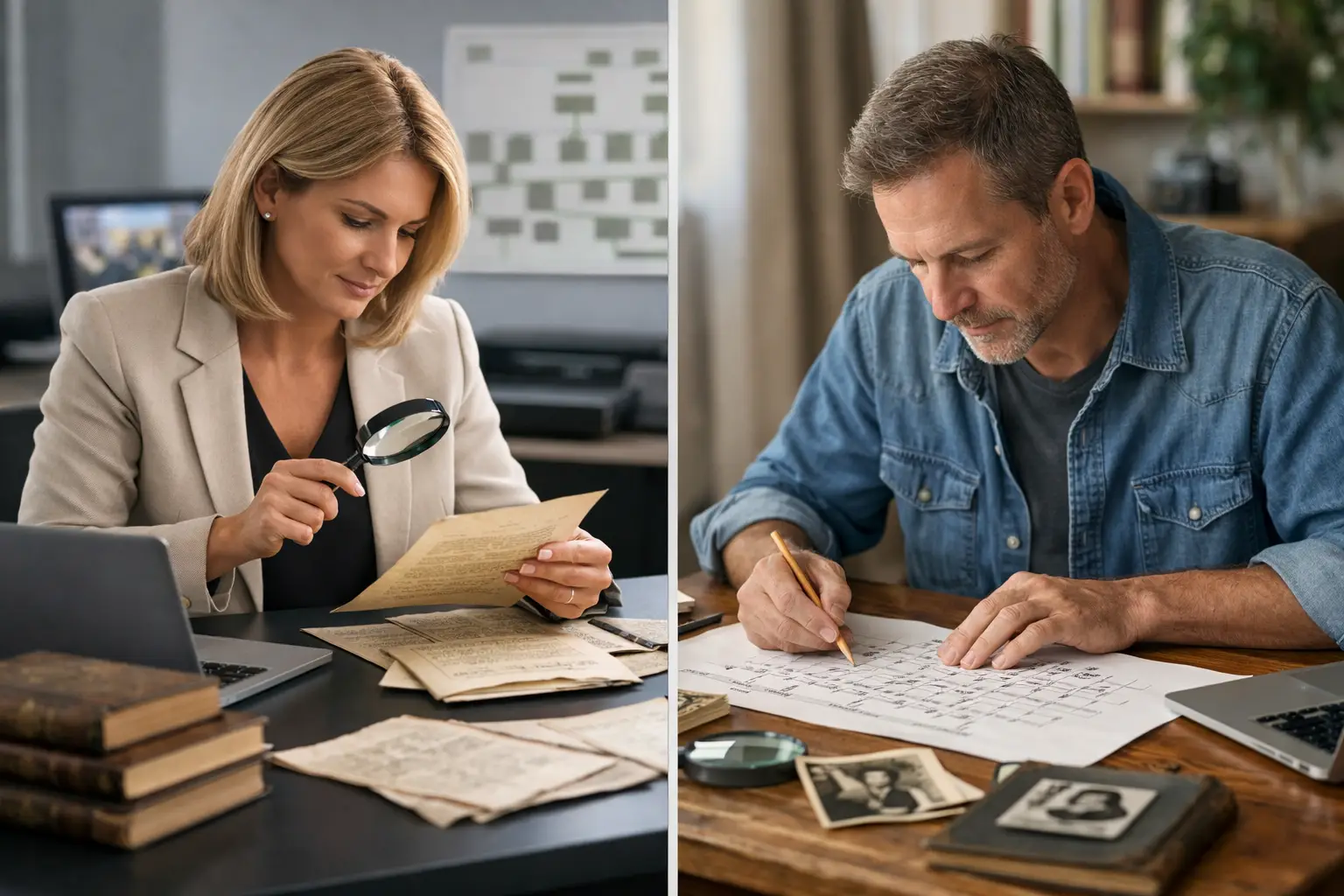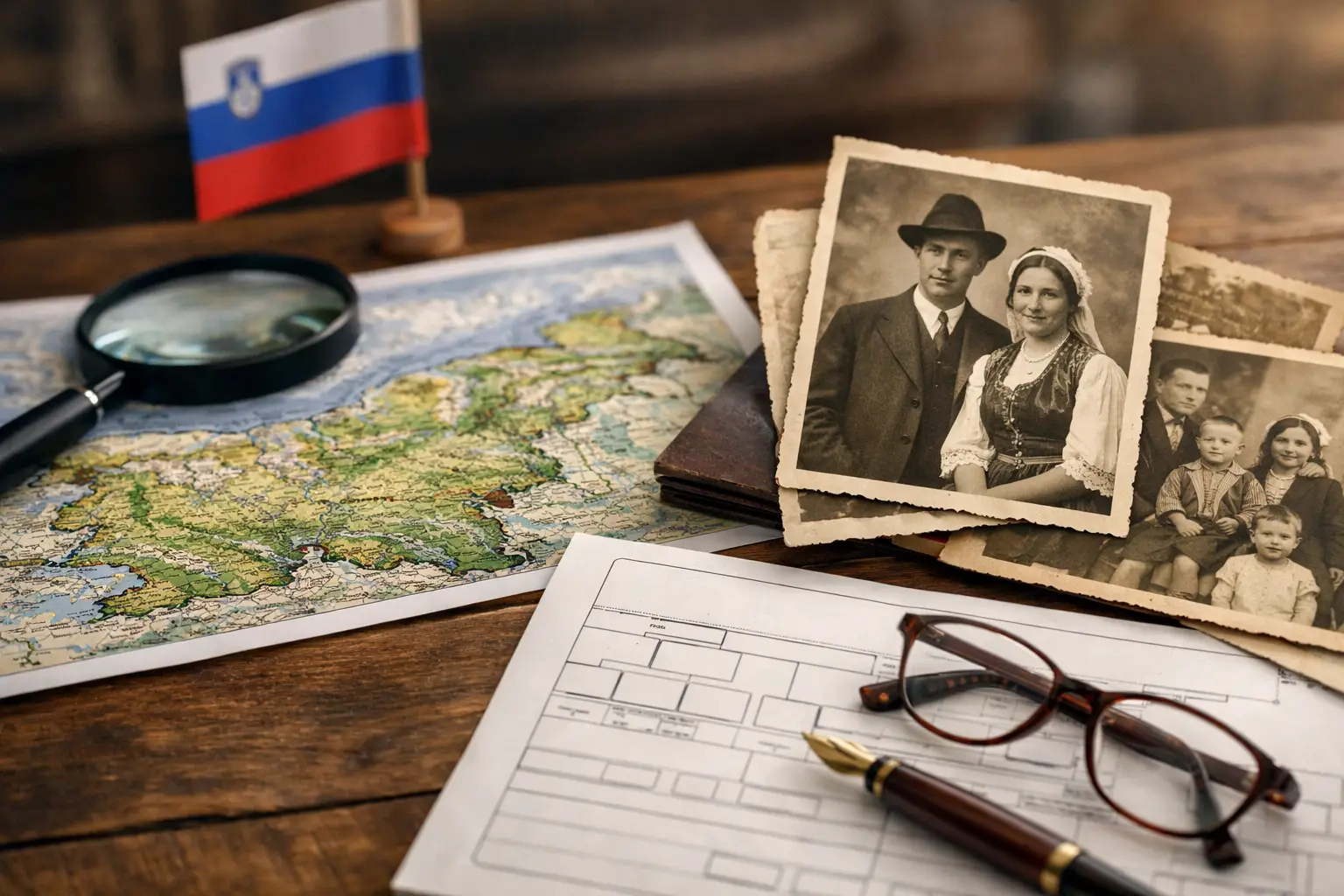
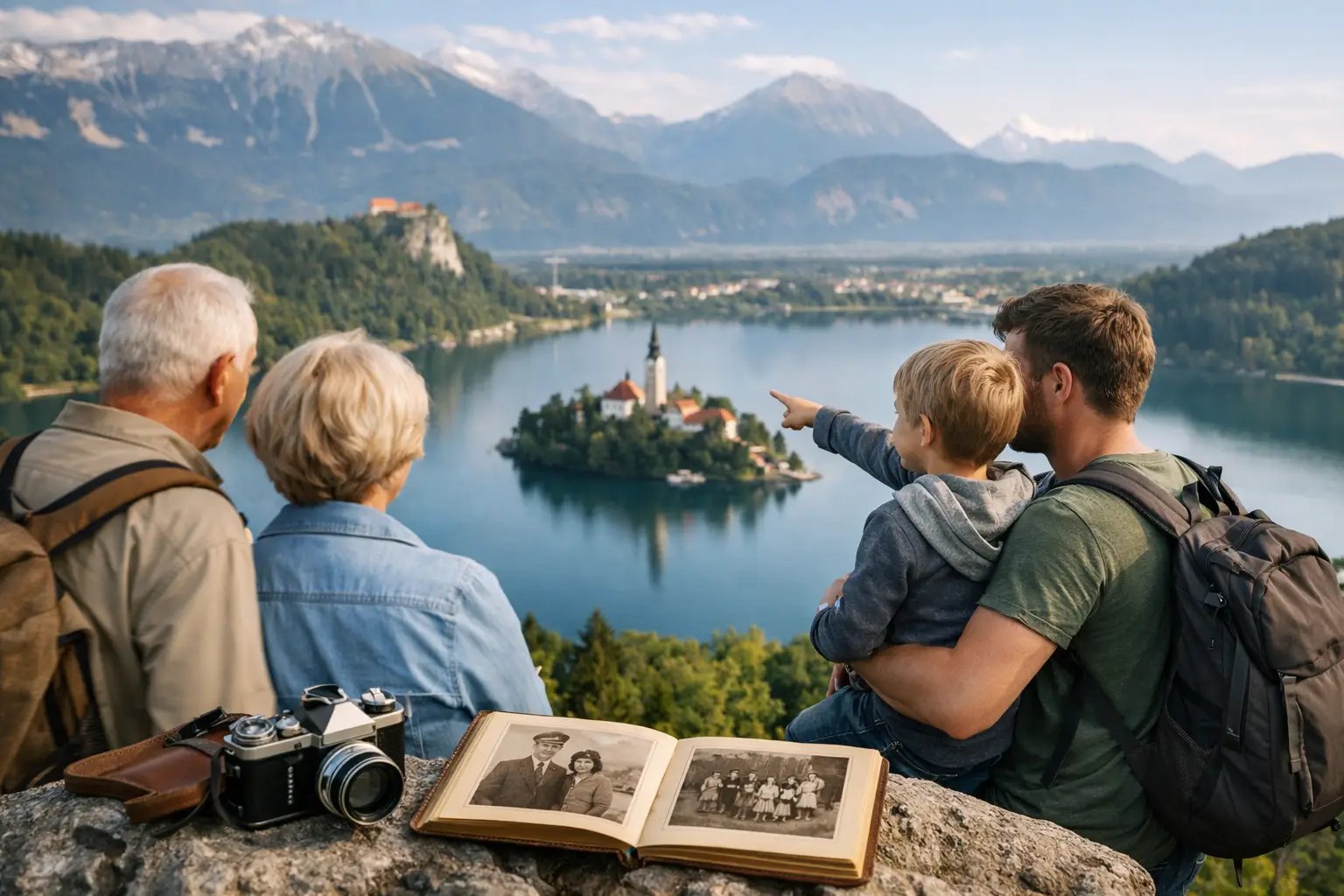


A surname on the back of an old photograph can carry more weight than a passport stamp. For many families, Slovenian family history travel begins that way – with a church record, a remembered village name, or a story about someone who left home and never returned. What makes the journey meaningful is not simply seeing Slovenia. It is standing in the exact place your family once belonged.
That distinction matters. Heritage travel is different from a general vacation because the goal is not to check off landmarks. It is to reconnect names, places, dates, and family memory until the story becomes real again. For descendants of Slovenians living in the United States, Canada, Australia, or Argentina, that kind of travel can feel less like tourism and more like returning to something unfinished.
What Slovenian family history travel really means
At its best, Slovenian family history travel brings research and place together. You are not just visiting a beautiful country, though Slovenia certainly is one. You are tracing a lived path through villages, parishes, cemeteries, town archives, and family homes tied to your own line.
This is why genealogy and travel should not be separated. A traveler may arrive with a surname like Novak, Kranjc, or Zupan and a broad idea that the family came from Slovenia. But surnames repeat, borders changed, records were written in different languages, and place names often shifted over time. Without careful research, a heritage trip can become emotionally moving but historically vague. With good preparation, it becomes personal in the deepest sense.
A meaningful ancestry journey often includes identifying the ancestral village, locating parish or civil records, understanding migration patterns, and then building a trip around those findings. When those pieces come together, even a small village road or churchyard can feel more significant than any major attraction.
Why place matters in Slovenian family history
Family history is often inherited in fragments. A great-grandmother said the family was from near Ljubljana. A grandfather remembered a saint’s name from the village church. Someone kept a naturalization paper with a birthplace that was misspelled by an immigration official. These clues may seem small, but in Slovenian genealogy, they can be the difference between guessing and finding the right place.
Slovenia’s local identity runs deep. Parish boundaries, village names, regional customs, and dialects shaped everyday life for generations. To understand your ancestors, it helps to understand where they lived within Slovenia, not just that they came from the country. A family from the Karst region may have had a very different environment and history than one from Lower Carniola, Styria, or Prekmurje.
That is also where emotion enters the picture. Seeing an ancestor’s region gives context to choices they made. You begin to understand distances they walked, churches where they were baptized, hills they farmed, and ports or rail routes they may have used when they emigrated. Family history stops feeling abstract. It becomes grounded.
How to prepare for a heritage trip to Slovenia
The most rewarding trips usually begin before you ever board a plane. Start with what your family already has. Gather certificates, obituaries, old passports, prayer cards, military papers, family letters, and cemetery records. Talk to older relatives, even if you think they do not know much. Small details often matter more than broad stories.
Pay special attention to names and locations. Was the original surname spelled differently? Did a village name change over time, or was it recorded in German or Italian? Did your family identify with a parish rather than a municipality? In Slovenian research, these questions are common, not unusual.
From there, the next step is to test family memory against documented records. Passenger lists, census entries, naturalization files, parish books, and civil registrations can confirm relationships and places of origin. Sometimes the answer appears quickly. Sometimes one mistaken assumption can send research in the wrong direction for years.
This is where professional guidance can save time and disappointment. A research-guided itinerary helps ensure that your trip is built around verified connections rather than hopeful guesses. If you are traveling across the world to find your family’s village, accuracy matters.
What you may experience on a Slovenian ancestry journey
No two family history trips are exactly alike, and that is part of their value. One traveler may spend a morning in an archive reading records that finally connect two generations. Another may meet distant cousins who still live in the family’s home region. Someone else may visit a cemetery and find the surname repeated across weathered stones, confirming that the family line was rooted there for centuries.
A well-planned trip often includes time in local churches, parish offices, municipal areas, cemeteries, and village centers. It may also include regional museums or cultural sites that explain the world your ancestors knew. The point is not to overfill the itinerary. It is to create room for recognition.
Sometimes the most moving moments are quiet ones. Standing before a baptismal font. Hearing the church bells in a village your family left generations ago. Walking a lane that may have been familiar to your great-grandparents. These are not dramatic events from the outside. But for descendants searching for belonging, they can be unforgettable.
The emotional side of Slovenian family history travel
There is a practical side to ancestry travel, but there is also a deeply personal one. Many descendants carry a sense of distance from their heritage. They may have grown up hearing that the family was Slovenian, but without language, clear records, or direct contact with relatives overseas, that identity can feel faded.
Travel changes that. Not because it solves every question, but because it gives family history texture. A village is no longer a name on paper. A church is no longer a line in a baptism entry. Even when records are incomplete, being in the place itself can answer a different kind of need – the need to feel connected.
It is worth saying that these journeys do not always unfold neatly. Sometimes a family home is gone. Sometimes the records you hoped to find do not survive. Sometimes the truth is more complicated than family lore suggested. Yet even those moments can be meaningful. Honest family history is still a form of inheritance.
Why guided research makes the trip stronger
There is real value in independent travel, especially if you enjoy building your own itinerary. But Slovenian family history travel tends to be more rewarding when local knowledge shapes the experience. Slovenian records can be highly specific, village geography matters, and historical border changes can confuse even experienced researchers.
A guide who understands both genealogy and place can bridge that gap. Instead of simply taking you to scenic locations, they can help connect documents to geography and family memory to lived experience. That is a different service from conventional tourism.
For many travelers, the best support comes from someone who can help identify the likely village of origin, interpret archival clues, explain local history, and shape a route that reflects the family’s story. That is where a heritage-centered company such as Ancestry Slovenia can make the journey more personal and more accurate.
When is the right time to take this trip?
People often wait until they feel they have enough information. Sometimes that makes sense. If you have only a surname and no known location, it may be wiser to begin with research first. But waiting too long has its own cost, especially if older relatives can still share details now.
The right time is usually when curiosity becomes commitment. You do not need a complete family tree before you go. You do need enough guidance to know what you are looking for and enough openness to let the experience affect you.
For some, this trip marks retirement and a chance to honor parents or grandparents. For others, it is part of preserving a family story for children and grandchildren. Either way, the journey often becomes larger than one traveler. It becomes part of the family’s legacy.
There is something quietly powerful about returning to a place your ancestors once had to leave. Not to recreate their lives, and not to chase a perfect ending, but to witness the ground beneath the story. When family history leads you back to a Slovenian village, even for a single afternoon, the past can feel less distant and your place within it more clear.